
The choice between slots and live casino games often hinges on a player's preferred level of engagement, strategic depth, and immediate comprehension. For content creators and marketers, understanding these fundamental differences in player experience is critical for targeting and acquisition. While both categories offer distinct entertainment, their accessibility and the cognitive load required for initial understanding diverge significantly, influencing how new players approach them.
Understanding Slot Games: Immediate Gratification and Visual Cues
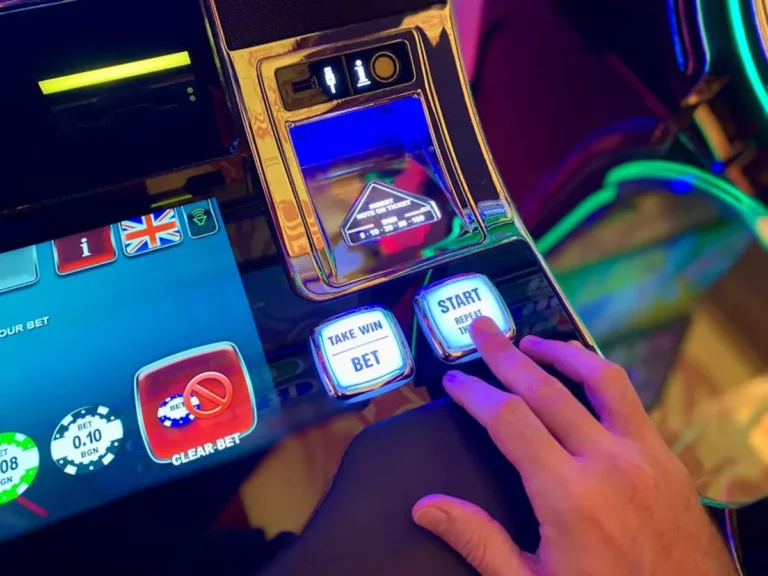
Slot games are characterized by their straightforward mechanics and visual-first approach, making them generally the easiest casino game type to understand at a superficial level. The core action involves pressing a button to spin reels, with the objective of matching symbols across predefined paylines.
- Core Mechanics: The fundamental concept is pattern recognition. Players observe symbols aligning on reels, and if a winning combination appears, a payout is awarded. This process is largely automated; the player's only direct interaction is initiating the spin.
- Visual Communication: Slot interfaces are designed to communicate success or failure instantly through animations, sound effects, and clear display of winnings. Paytables, which detail symbol values and winning combinations, are typically accessible within the game, but basic play does not require memorization of these tables.
- Pace and Player Control: Players dictate the pace of play. There's no time pressure from other participants or a dealer. This self-paced environment allows new users to explore the interface and mechanics without external stress.
- Random Number Generation (RNG): Outcomes are determined by a random number generator, meaning each spin is an independent event. Understanding this concept clarifies that past results do not influence future spins, simplifying the player's mental model of the game.
Best for: Players seeking immediate entertainment, low cognitive load, and a rapid feedback loop on outcomes.
Navigating Live Casino Games: Rules, Strategy, and Real-Time Interaction
Live casino games, encompassing titles like Blackjack, Roulette, Baccarat, and various game shows, introduce elements of real-time interaction, specific rule sets, and often strategic decision-making. Their ease of understanding varies considerably depending on the specific game.
Roulette and Baccarat: Simpler Entry Points
Games like Roulette and Baccarat offer a relatively lower barrier to entry within the live casino category. Roulette involves predicting where a ball will land on a spinning wheel, with various betting options clearly laid out on a table. Baccarat's core mechanic is comparing two hands (Player and Banker) against each other, with the game largely automated after initial bets are placed.
- Clear Betting Layouts: The betting grids for Roulette are visually intuitive, allowing players to place wagers on numbers, colors, or groups with immediate feedback on their selections.
- Limited Player Decisions: In Baccarat, once bets are placed, the dealer handles all card drawing rules, requiring no further player input beyond the initial wager. This reduces the immediate need for complex rule memorization.
- Dealer Guidance: Live dealers often provide verbal cues and manage the game flow, which can help new players follow along, though understanding the underlying rules remains essential for informed betting.
Blackjack and Poker Variants: Strategic Depth and Complex Rules
Blackjack and various live poker games (e.g., Casino Hold'em, Three Card Poker) demand a higher level of understanding due to their strategic components and more intricate rule sets. Players must make real-time decisions that impact the game's outcome.
- Rule Memorization: Blackjack requires players to understand card values, the objective (get as close to 21 without busting), and specific actions like Hit, Stand, Double Down, and Split. Each decision carries strategic implications.
- Strategic Play: Optimal strategy in Blackjack involves knowing the mathematically best decision for every possible hand combination against the dealer's upcard. This moves beyond simple understanding into active learning and application.
- Pace and Pressure: Games proceed at the dealer's pace, with limited time for players to make decisions. This real-time constraint can be challenging for beginners still learning the rules and strategy.
- Social Interaction: While enriching for some, the presence of a live dealer and other players can add a layer of perceived pressure for those unfamiliar with the game's etiquette or flow.
Pro Tip: For live casino content, differentiate between games that are simple to *observe* (e.g., Roulette, Baccarat) and those that are simple to *play effectively* (which often requires strategic knowledge, as in Blackjack). Marketing efforts should align with these distinct cognitive demands.
Comparing the Learning Curves for New Players
When evaluating which category is easier to understand, the distinction lies in the immediate cognitive load and the depth of knowledge required to participate meaningfully.
Slots offer a near-zero barrier to entry for basic play. A new player can grasp the core mechanic of spinning reels and matching symbols within moments, even without understanding paylines, bonus features, or return-to-player (RTP) percentages. The game is self-contained and requires no external knowledge beyond the "push button, see result" loop.
Live casino games, conversely, always require some level of pre-existing rule knowledge. Even for simpler games like Roulette, a player must understand what each bet represents and its corresponding payout. For strategic games like Blackjack, a basic understanding of rules is merely the starting point; effective play necessitates learning and applying strategic principles, which represents a significantly steeper learning curve.
Key Differentiator: Slots prioritize visual and auditory feedback for immediate comprehension, while live casino games prioritize rule adherence and, for many, strategic decision-making within a real-time, interactive environment. The "ease of understanding" in live casino games is often about understanding the *rules of engagement*, whereas in slots, it's about understanding the *outcome of a single action*.
Informing Player Choice and Content Strategy
For content creators and site owners, recognizing these differences is crucial for effective user onboarding and retention. Content targeting slot players should emphasize visual appeal, variety of themes, and the simplicity of play. For live casino games, content needs to provide clear rule explanations, strategic guides (for games like Blackjack), and highlight the immersive, social aspects. Understanding the ease of comprehension dictates how introductory materials, tutorials, and promotional messages should be crafted to resonate with each player segment.
Frequently Asked Questions
Which type of game is better for absolute beginners?
Slot games are generally better for absolute beginners due to their simple "spin and win" mechanic, lack of complex rules, and self-paced nature, allowing players to learn without pressure.
Do I need to learn strategy to play live casino games?
For some live casino games like Roulette or Baccarat, basic rules are sufficient for participation, though strategic understanding can optimize betting. For games like Blackjack or poker variants, learning strategy is essential for making informed decisions and improving long-term outcomes.
Are live casino games always more complex than slots?
While most live casino games involve more rules and real-time interaction than slots, the complexity varies. Simple live games like Roulette or Baccarat can be easier to grasp than some slots with intricate bonus rounds, but strategic live games like Blackjack are generally more complex than any slot. For players curious about the interactive nature of these games, understanding how live dealer games work is a good first step.