Japanese gaming culture represents a distinct and influential segment of the global entertainment industry, shaped by unique historical trajectories, technological adoption, and deeply ingrained social norms. For SEO professionals, content strategists, and marketers, understanding this landscape is not merely an academic exercise; it is a prerequisite for effective audience engagement, market penetration, and content localization that resonates beyond superficial translation. The commercial imperative lies in recognizing specific player motivations, preferred platforms, genre loyalties, and consumption habits that diverge significantly from Western markets. Overlooking these nuances can lead to misaligned content, ineffective marketing campaigns, and ultimately, missed revenue opportunities in a market known for its discerning consumers and high per-capita spending on digital entertainment.
Foundations of Japanese Gaming
The evolution of gaming in Japan traces a path distinct from other major markets, beginning with a strong arcade presence in the 1970s and 80s, which fostered a communal and competitive gaming environment. This era cemented certain social aspects of gaming that persist today, even as home consoles and mobile devices dominate. The subsequent console boom, led by companies like Nintendo and Sony, established a core preference for dedicated gaming hardware, emphasizing polished, narrative-driven experiences. This historical backdrop explains the enduring appeal of specific genres and the cultural significance attributed to gaming as a form of entertainment and artistic expression.
- Arcade Legacy: Arcades remain relevant not just as nostalgic venues but as testing grounds for new game mechanics and social hubs for specific communities, particularly for rhythm games and fighting games.
- Console Dominance: Historically, consoles like PlayStation and Nintendo Switch have held significant market share, driving demand for high-quality, exclusive titles.
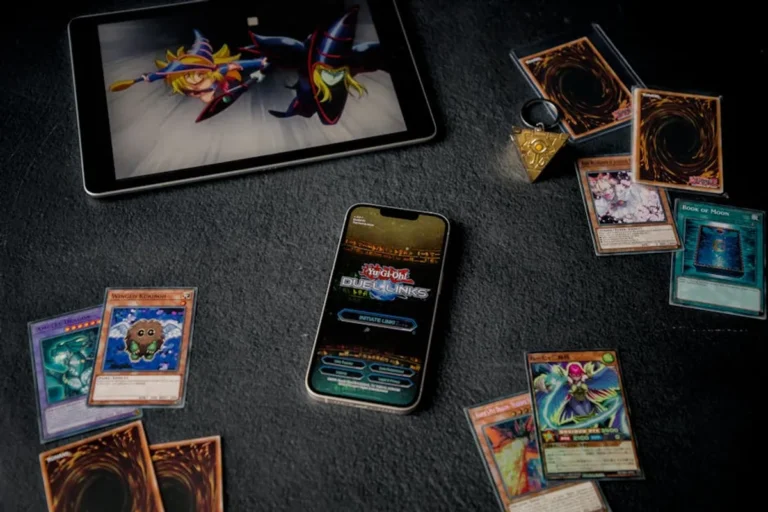
- Mobile Integration: The rapid rise of mobile gaming, particularly with gacha mechanics and casual RPGs, has reshaped daily play patterns, often complementing rather than replacing console experiences.
Distinct Genre Preferences and Play Styles
Japanese gamers exhibit specific genre predilections that inform content strategy. Role-Playing Games (RPGs), especially Japanese RPGs (JRPGs), hold a foundational position, characterized by intricate narratives, deep character development, and often turn-based combat systems. Visual novels, with their emphasis on storytelling and player choice, also command a dedicated following. Rhythm games, often tied to popular music and anime franchises, are another uniquely strong category. This contrasts with the Western market's broader emphasis on first-person shooters (FPS) or open-world action games, though these genres do have a presence.
Key Preference Indicators:
- JRPGs: Focus on character arcs, emotional depth, and often fantastical settings. Content targeting this audience benefits from deep lore dives, character analyses, and strategic guides.
- Visual Novels: Appeal to those seeking immersive storytelling and interactive narratives. SEO for these titles often involves keyword research around story elements, character relationships, and choice-driven outcomes.
- Rhythm Games: Strong community aspect, often involving physical arcade machines or dedicated peripherals. Content can revolve around high-score strategies, song lists, and event coverage.
- Mobile Gacha Games: Monetization through randomized item acquisition. Content here often includes tier lists, pull strategies, event guides, and character spotlights.
Commercial Engagement Strategies
For businesses looking to engage the Japanese gaming audience, a nuanced approach to content, marketing, and platform selection is paramount. Generic global campaigns often fail to resonate due to cultural mismatches and misinterpretations of player expectations. Understanding where and how Japanese gamers consume content, interact with brands, and make purchasing decisions is critical for optimizing SEO efforts and content distribution.
Localization Beyond Translation
Effective localization for the Japanese market extends far beyond direct language translation. It involves cultural adaptation of narrative elements, character designs, user interface (UI) and user experience (UX) flows, and even marketing imagery. A common pitfall is assuming that a direct port of Western content will succeed; instead, content needs to be culturally relevant and sensitive to Japanese social norms and aesthetic preferences. This includes using appropriate honorifics, understanding specific humor styles, and adapting visual cues.
Pro Tip: Direct translation is insufficient for effective localization. Cultural adaptation, including narrative adjustments, character voice, and UI/UX design, is critical for genuine audience resonance and commercial success. Invest in native cultural consultants to review content and marketing materials.
Marketing Channels and Influencer Engagement
While global platforms like YouTube and Twitter are significant, specific Japanese platforms and influencer types hold unique sway. Niconico, a video-sharing service, and LINE, a dominant messaging app, are crucial for reaching specific demographics. Influencer marketing often centers around streamers and content creators who specialize in specific game genres or have built strong, loyal communities. Collaborations with these influencers, particularly those known for their deep game knowledge or entertaining personalities, can significantly boost visibility and credibility.
Effective Channels:
- YouTube & Twitch: For gameplay streams, reviews, and guides, similar to Western markets, but with a focus on Japanese-speaking creators.
- Niconico: Strong for user-generated content, particularly game commentary and fan-created media.
- LINE: Essential for direct communication, promotions, and community building.
- Twitter: Widely used for news, announcements, and direct engagement with developers and fans.
- Gaming Media: Publications like Famitsu and Dengeki Online remain influential for news, reviews, and previews.
Optimizing for the Japanese Gaming Audience
To effectively connect with Japanese gamers, content creators and marketers must integrate cultural insights into their SEO and content strategies. This means not just translating keywords but researching search intent specific to Japanese users. For instance, search queries might include specific game titles combined with terms like "攻略" (strategy/guide), "評価" (review/evaluation), or "ガチャ" (gacha pulls/rates) for mobile games. Understanding these search patterns allows for the creation of highly targeted content that addresses explicit user needs.
Best for: Businesses aiming for market entry or deeper engagement with Japanese gaming communities.
Strategic content should anticipate common questions and provide value through detailed guides, character analyses, lore explanations, and event coverage. User-generated content platforms, fan art communities, and dedicated forums are also rich sources for keyword research and understanding trending topics. Building a content presence that respects and caters to these specific interests is fundamental for long-term audience growth and commercial success.
Actionable Insights for Engagement
Engaging with Japanese gaming culture requires a strategic, informed approach that prioritizes cultural understanding and audience-specific content. Businesses should invest in native expertise for localization and marketing, closely monitor trending games and platforms, and build authentic relationships with key influencers and media outlets. Success hinges on a genuine appreciation for the unique aspects of this market, moving beyond generic global strategies to deliver truly resonant experiences.
Frequently Asked Questions
How do Japanese gaming preferences differ from Western markets?
Japanese gamers often prioritize narrative depth, character development, and specific genres like JRPGs, visual novels, and rhythm games. While Western markets lean heavily into FPS, open-world action, and sports simulations, Japanese preferences show a stronger emphasis on intricate storytelling and unique aesthetic styles.
What are the most effective marketing channels in Japan for gaming content?
Beyond global platforms like YouTube and Twitter, local platforms such as Niconico and the messaging app LINE are crucial. Engaging with Japanese gaming media outlets like Famitsu and collaborating with local streamers and content creators are also highly effective strategies.
Is mobile gaming dominant in Japan, or do consoles still hold sway?
Mobile gaming, especially with gacha mechanics, has a massive presence and generates significant revenue in Japan. However, consoles like the Nintendo Switch and PlayStation continue to be very popular, particularly for high-production value, exclusive titles. The market often sees mobile gaming as a complementary experience to console play.
What role do arcades play in Japanese gaming culture today?
While less ubiquitous than in their heyday, arcades still serve as important social spaces and testing grounds for new games, particularly for fighting games, rhythm games, and crane games. They foster a unique competitive and communal aspect of gaming that remains distinct from home console or mobile experiences.