
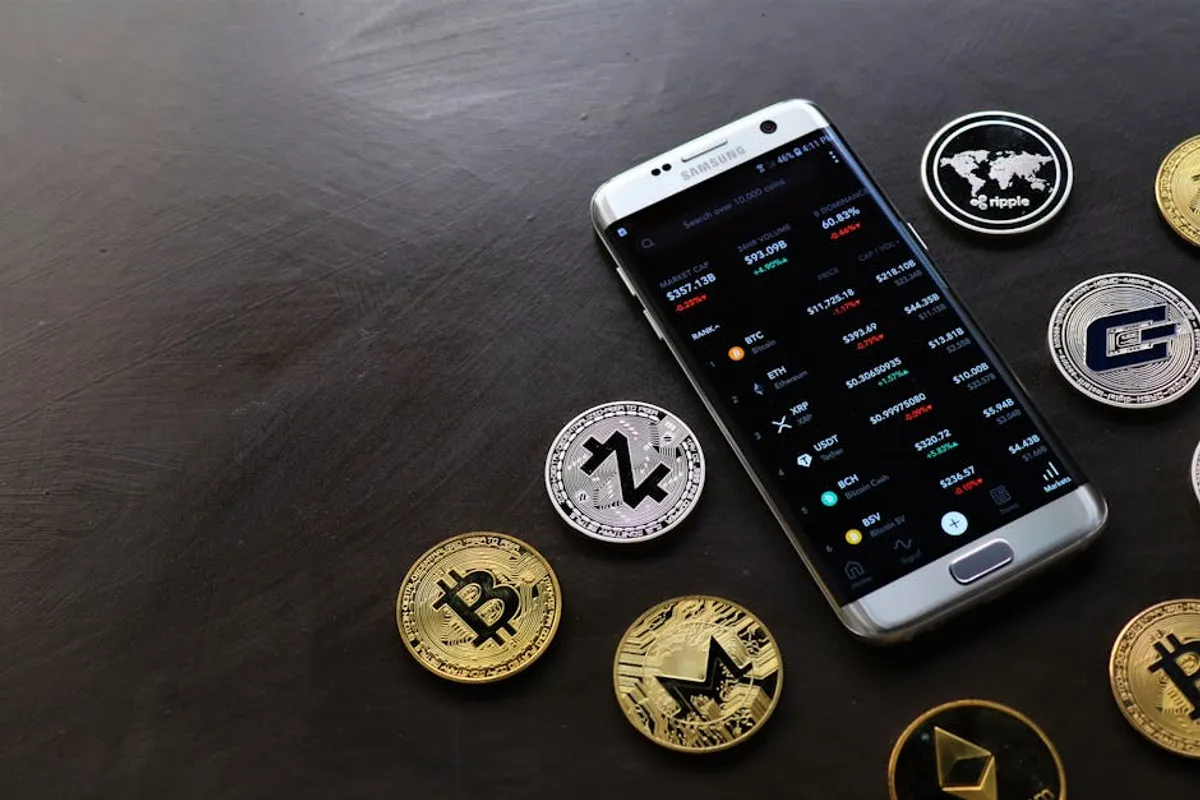
Entering the crypto casino landscape presents a distinct set of considerations for players accustomed to traditional online gaming. The shift from fiat currency to digital assets introduces new mechanics, security protocols, and financial volatility that directly impact the player experience. Understanding these foundational elements is crucial for navigating crypto casinos effectively, ensuring both enjoyment and the secure management of digital funds.
Understanding Cryptocurrency in Gaming
The core distinction of a crypto casino lies in its use of digital currencies for deposits, withdrawals, and often, gameplay itself. This fundamental shift affects transaction processes, associated costs, and the overall financial environment of the gaming platform.
Key Cryptocurrencies Used
While the range of accepted cryptocurrencies varies by platform, several dominant assets consistently feature due to their market liquidity, network stability, and community adoption. Bitcoin (BTC) remains the most widely accepted, offering broad accessibility but sometimes higher transaction fees and slower confirmation times. Ethereum (ETH) is also prevalent, often utilized for its smart contract capabilities and faster processing, though gas fees can fluctuate significantly. Stablecoins like Tether (USDT) and USD Coin (USDC) are gaining traction, providing a stable value pegged to fiat currencies, which mitigates the volatility inherent in other cryptocurrencies. Litecoin (LTC) and Dogecoin (DOGE) are frequently included for their faster transaction speeds and lower fees compared to Bitcoin, making them practical choices for frequent, smaller deposits and withdrawals.
Transaction Speed and Fees
Cryptocurrency transactions operate on decentralized networks, meaning their speed and cost are influenced by network congestion and the specific blockchain used. Bitcoin transactions, while secure, can take anywhere from 10 minutes to several hours to confirm, especially during peak network activity, and can incur variable miner fees. Ethereum transactions are generally faster, often confirming in minutes, but gas fees can surge during high demand. Faster alternatives like Litecoin or Dogecoin typically offer confirmation within seconds to a few minutes, with significantly lower fees. Players must factor these variables into their gaming strategy, particularly when timing deposits for immediate play or withdrawals that require prompt access to funds.
Security and Anonymity Considerations
The decentralized nature of cryptocurrencies offers enhanced security and privacy features, but these benefits come with increased personal responsibility for asset management and understanding platform-specific identity verification policies.
Wallet Management
Managing a cryptocurrency wallet is a critical first step for any player. Wallets serve as digital storage for cryptocurrencies and are essential for interacting with casino platforms. They fall into two main categories: hot wallets (online, software-based, like exchange wallets or mobile apps) and cold wallets (offline, hardware-based, like Ledger or Trezor devices). Hot wallets offer convenience for quick transactions but carry a higher risk of compromise if the device or service is breached. Cold wallets provide superior security by keeping private keys offline, making them ideal for storing larger sums. Players should use strong, unique passwords for hot wallets, enable two-factor authentication (2FA), and never share their private keys or seed phrases.
Pro Tip: Before making any deposit, send a small test transaction from your personal wallet to the casino's deposit address. This verifies the address is correct and that the funds will arrive, preventing potential loss due to typos or incorrect network selection. Always double-check the network type (e.g., ERC-20, TRC-20, BTC network) to ensure compatibility.
KYC and Privacy Levels
While many crypto casinos initially offer a higher degree of anonymity compared to traditional platforms, the regulatory landscape is evolving. "Know Your Customer" (KYC) procedures, which involve submitting personal identification documents, are increasingly implemented by licensed crypto casinos to comply with anti-money laundering (AML) regulations. Some platforms allow small deposits and withdrawals without full KYC, preserving a level of privacy. However, larger transactions or attempts to withdraw significant winnings will often trigger mandatory KYC verification. Players should review a casino's privacy policy and KYC requirements before depositing, understanding that complete anonymity is not guaranteed across all crypto gaming sites. Before depositing funds, players should review a casino's security measures to ensure their personal and financial information remains protected.
Game Selection and Fairness
The gaming experience in crypto casinos parallels traditional platforms in terms of game variety, but introduces a distinct mechanism for verifying game integrity.
Provably Fair Gaming Explained
A significant innovation in crypto gaming is "provably fair" technology. This cryptographic method allows players to independently verify the fairness of each game round, ensuring that the casino cannot manipulate outcomes. It typically involves three variables: a server seed (from the casino), a client seed (from the player's browser), and a nonce (a number that increases with each bet). Before a game, the server hashes its seed and sends it to the player. After the game, the player can combine the unhashed server seed, their client seed, and the nonce to re-calculate the game outcome, comparing it to the result provided by the casino. This transparency builds trust by making the game's randomness verifiable by anyone, at any time.
Game Variety and Software Providers
Crypto casinos offer a broad spectrum of games, including slots, table games (blackjack, roulette, baccarat), live dealer games, and specialized crypto games like crash or dice. Many platforms partner with established software providers such as Evolution Gaming, Pragmatic Play, and BGaming, ensuring a high-quality gaming experience and a familiar interface for players. However, some crypto-native games are developed in-house, often leveraging provably fair algorithms. The availability of specific games and providers can vary based on regional licensing and the casino's operational focus.
Bonuses, Promotions, and Wagering Requirements
Crypto casinos utilize bonuses and promotions to attract and retain players, similar to traditional platforms. However, the terms and conditions, particularly wagering requirements, demand careful scrutiny.
Decoding Crypto Casino Bonuses
Common bonus types include welcome bonuses (match deposits), no-deposit bonuses, free spins, and cashback offers. These are often denominated in cryptocurrency or their fiat equivalent. For instance, a "100% match up to 1 BTC" means the casino will double a player's initial deposit up to the value of one Bitcoin at the time of the deposit. Given the volatile nature of cryptocurrencies, the actual fiat value of a bonus can change rapidly. Players should assess the bonus's real-world value at the time of claiming and consider the potential for currency fluctuations.
Understanding Wagering Terms
Wagering requirements dictate how many times a bonus amount (and sometimes the deposit amount) must be played through before any winnings can be withdrawn. These requirements are typically expressed as a multiplier, e.g., 30x or 40x. For example, a 1 BTC bonus with a 30x wagering requirement means the player must wager 30 BTC before withdrawing associated winnings. Different games contribute differently to meeting these requirements; slots often contribute 100%, while table games may contribute 10-20% or be excluded entirely. Always read the full terms and conditions to understand game contributions, maximum bet limits during wagering, and the validity period of the bonus.
Regulatory Landscape and Licensing
The regulatory environment for crypto casinos is complex and continuously evolving, impacting player protection and operational integrity.
Jurisdictional Differences
The legality and regulation of crypto gambling vary significantly by country and jurisdiction. Some regions have established clear frameworks for licensing and overseeing crypto casinos, while others operate in a legal gray area or outright ban such activities. Jurisdictions like Curaçao are common for crypto casino licensing due to their relatively flexible regulations, though the level of player protection offered by such licenses can differ from those in more stringent jurisdictions like Malta or the UK. Players must be aware of their local laws regarding online gambling and cryptocurrency use.
Importance of Licensing
A casino's operating license is a crucial indicator of its legitimacy and adherence to certain operational standards. Licensed crypto casinos are typically required to implement responsible gambling measures, maintain fair gaming practices, and protect player funds. While a license does not guarantee against all issues, it provides a layer of accountability and recourse for players in case of disputes. Unlicensed platforms carry higher risks, as they are not subject to external oversight, making it harder to resolve issues like non-payment of winnings or unfair game practices.
Essential Steps Before Playing
Before engaging with any crypto casino, a structured approach ensures a more secure and informed gaming experience.
- Research Platform Reputation: Investigate user reviews, forum discussions, and independent audits for insights into a casino's reliability, payout speed, and customer service.
- Verify Licensing: Confirm the casino holds a valid operating license from a recognized jurisdiction. Check the license number on the regulator's official website.
- Understand Terms and Conditions: Pay close attention to bonus wagering requirements, withdrawal limits, KYC policies, and restricted countries.
- Secure Your Wallet: Choose a reputable cryptocurrency wallet and implement all available security features, including 2FA.
- Start Small: Begin with smaller deposits to test the platform's functionality, game fairness, and withdrawal process before committing larger sums.
- Monitor Volatility: Be aware of cryptocurrency price fluctuations, as they can impact the value of your deposits and winnings.
Frequently Asked Questions
Is it legal to play at crypto casinos?
The legality of playing at crypto casinos depends entirely on your specific jurisdiction's laws regarding online gambling and cryptocurrency. Some countries have clear regulations, while others have restrictions or operate in a legal gray area. Always check local laws before playing.
Are crypto casino games truly fair?
Many reputable crypto casinos offer "provably fair" games, which use cryptographic algorithms to allow players to independently verify the fairness of each game outcome. This technology provides a higher level of transparency than traditional online casino games.
How do I protect my cryptocurrency when playing?
Use a secure, reputable cryptocurrency wallet, enable two-factor authentication (2FA) wherever possible, and never share your private keys or seed phrase. Only deposit funds into a casino that has a strong reputation and clear security protocols.
Can I convert my crypto winnings back to fiat currency?
Yes, typically you can withdraw your crypto winnings to your personal cryptocurrency wallet and then use a cryptocurrency exchange to convert them into fiat currency, which can then be transferred to your bank account. Be aware of exchange fees and potential tax implications.