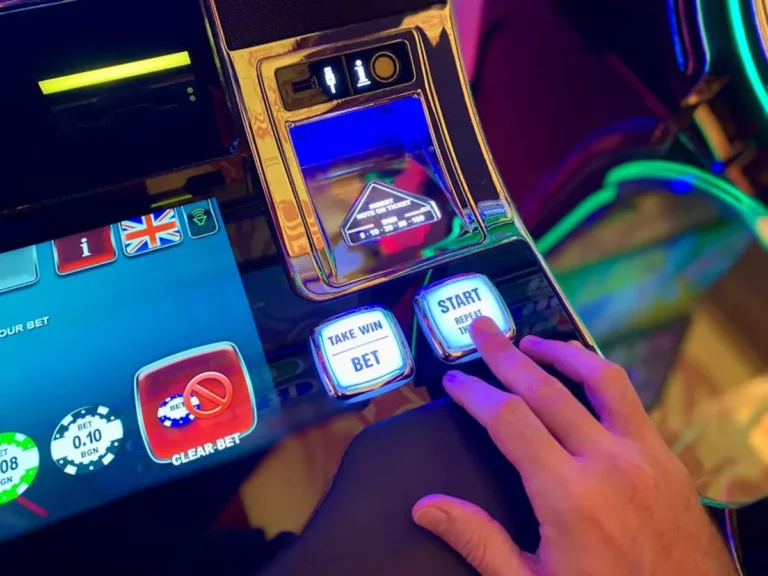
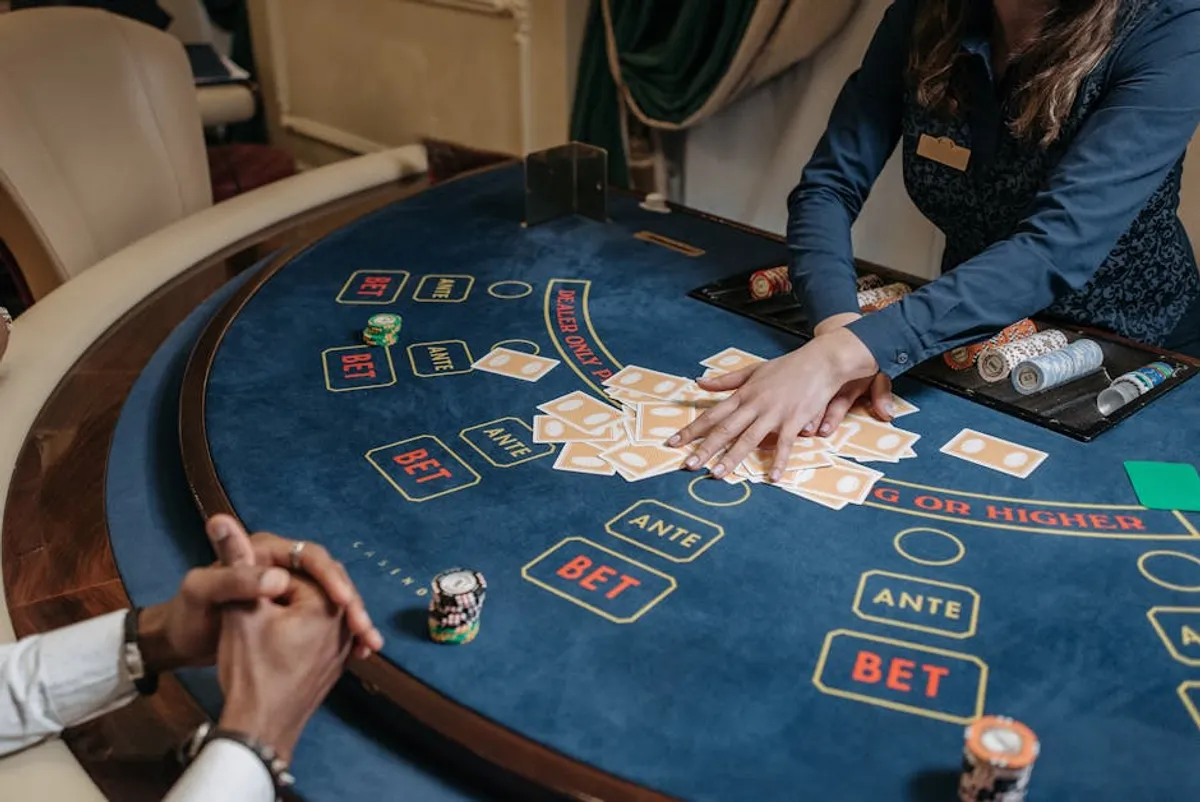
For new players exploring online gaming, live dealer games represent a distinct category that bridges the gap between traditional brick-and-mortar casinos and digital platforms. Unlike standard online casino games, which rely on random number generators (RNGs) to determine outcomes, live dealer games stream real human dealers and physical equipment directly to your device. This setup offers a unique blend of convenience, social interaction, and transparency, appealing to those who seek a more authentic casino experience without leaving home.
Understanding how these games function is crucial for a smooth entry. The core appeal lies in witnessing the game unfold in real-time, managed by a professional dealer, often in a dedicated studio designed to replicate a casino floor. This guide details the operational mechanics, key differences, and practical considerations for new players to confidently engage with live dealer offerings.
The Technical Foundation of Live Dealer Gaming
Live dealer games operate through a sophisticated integration of video streaming, optical character recognition (OCR) technology, and a user-friendly interface. This combination ensures that players can interact with the game and dealer seamlessly, mimicking an in-person casino environment.
High-Definition Video Streaming
The primary component is a high-quality video feed, typically broadcast from a purpose-built studio. Multiple cameras capture different angles of the game table, the dealer, and the physical equipment (e.g., cards, roulette wheel). This stream is delivered to players in real-time, allowing them to observe every action as it happens. The quality of this stream is critical for a clear, immersive experience, often supporting resolutions up to 4K, contingent on the player's internet connection.
Optical Character Recognition (OCR)
To translate physical game actions into digital data, live dealer studios employ OCR technology. Small cameras embedded in the table or overhead scan cards as they are dealt, or the roulette wheel as it spins. The OCR software identifies the values of cards, the winning number on the roulette wheel, or the outcome of dice rolls. This digital data is then instantly processed and displayed on the player's screen, updating their interface with current game states, bet options, and results. This system ensures accuracy and speed in communicating game outcomes to all participants.
Game Control Unit (GCU)
Every live dealer table is equipped with a Game Control Unit (GCU), a small, powerful computer responsible for encoding the video broadcast and managing the game data. The GCU is the backbone of the entire operation, synchronizing the video feed with the OCR data and transmitting it to the player's device. It ensures that the digital interface accurately reflects the physical game, maintaining consistency and reliability.
Navigating a Live Dealer Game Round
While specific rules vary by game, the general flow of a live dealer game round follows a predictable pattern, designed for clarity and player participation.
- Joining a Table: Players select a game and a table based on factors like bet limits, dealer language, or available seats. Upon joining, they see the live video feed and the digital interface.
- Betting Window: A timer indicates the betting period. Players use the on-screen interface to place chips on their desired outcomes. The digital chips correspond to real money values.
- Dealer Action: Once the betting window closes, the dealer performs the game actions (e.g., dealing cards, spinning the roulette wheel, rolling dice). All actions are visible via the live stream.
- Outcome and Payouts: The OCR system identifies the game outcome. Winning bets are automatically paid out to players' accounts, and losing bets are collected. The interface updates with the new balance and prepares for the next round.
The pace is dictated by the dealer and the game's natural rhythm, making it slower than RNG-based games but offering a more deliberate and engaging experience.
Distinctions from Standard Online Casino Games
The fundamental difference between live dealer games and traditional online casino games lies in their mechanism for determining outcomes and the overall player experience.
- Authenticity and Transparency: Live dealer games use physical cards, wheels, and dice, operated by human dealers. This eliminates reliance on algorithms for outcomes, offering visual proof of fairness and mirroring a land-based casino's transparency.
- Social Interaction: Players can communicate with the dealer and sometimes other players through a chat function. Dealers often respond verbally, enhancing the social aspect that RNG games lack.
- Pace of Play: Live games proceed at a real-world pace, with set betting windows and time for dealer actions. This contrasts with RNG games where rounds can be completed instantly, offering a more measured experience.
- Atmosphere: The studio environment, professional dealers, and real-time interaction create an immersive atmosphere that digital graphics alone cannot replicate.
Pro Tip for New Players: Before joining a live dealer table, familiarize yourself with the game's rules and typical betting options. While the live environment is engaging, the pace means less time for deliberation once a round begins. Many live dealer games offer a "spectator mode" where you can watch a few rounds without placing bets, allowing you to observe the flow and dealer interactions before committing funds.
Choosing Your First Live Dealer Game
For new players, selecting an initial game involves considering familiarity and complexity. Games with straightforward rules are generally recommended for a first experience.
Best for: New players seeking an accessible entry point.
- Live Dealer Roulette: Simple to understand. Players bet on where a ball will land on a spinning wheel. The visual nature of the wheel and ball makes the outcome clear.
- Live Dealer Blackjack: A popular card game with clear objectives (get closer to 21 than the dealer without busting). While basic strategy can improve odds, the core game is intuitive.
- Live Dealer Baccarat: Known for its simplicity. Players bet on whether the "Player" or "Banker" hand will have a total closer to nine. No complex decisions are required from the player during the hand.
These games allow new players to focus on the live dealer experience and interface without being overwhelmed by intricate rules or strategic demands.
Getting Started with Live Dealer Games
To ensure a positive initial experience, consider these practical steps. A stable internet connection is paramount, as video streaming requires consistent bandwidth to prevent buffering or disconnections that could impact your betting decisions. Familiarize yourself with the interface controls, including where to place bets, view your balance, and access the chat feature. Many platforms provide detailed game rules and tutorials within the live dealer section, which are invaluable resources for understanding specific table variations and payout structures. Starting with lower stakes tables allows for experimentation and learning without significant financial risk, building confidence as you become more comfortable with the live environment.
Frequently Asked Questions
Do live dealer games require a fast internet connection?
Yes, a stable and reasonably fast internet connection (broadband or 4G/5G) is essential for smooth, uninterrupted video streaming and real-time interaction. Slow connections can lead to buffering, delays, or disconnections, impacting your ability to place bets or follow the game.
Are live dealer games fair?
Live dealer games are generally considered highly fair due to the use of physical equipment (cards, wheels, dice) and human dealers, all visible via the live video stream. This transparency allows players to observe the game's integrity directly, similar to a physical casino.
Can I chat with the dealer?
Yes, most live dealer games include a chat function that allows players to type messages to the dealer. Dealers often respond verbally to questions or comments, enhancing the interactive and social aspect of the game.
Are live dealer games available 24/7?
Many live dealer studios operate 24 hours a day, 7 days a week, offering a wide range of games and tables at all times. However, specific games or tables with particular dealers or languages might have more limited operating hours.