
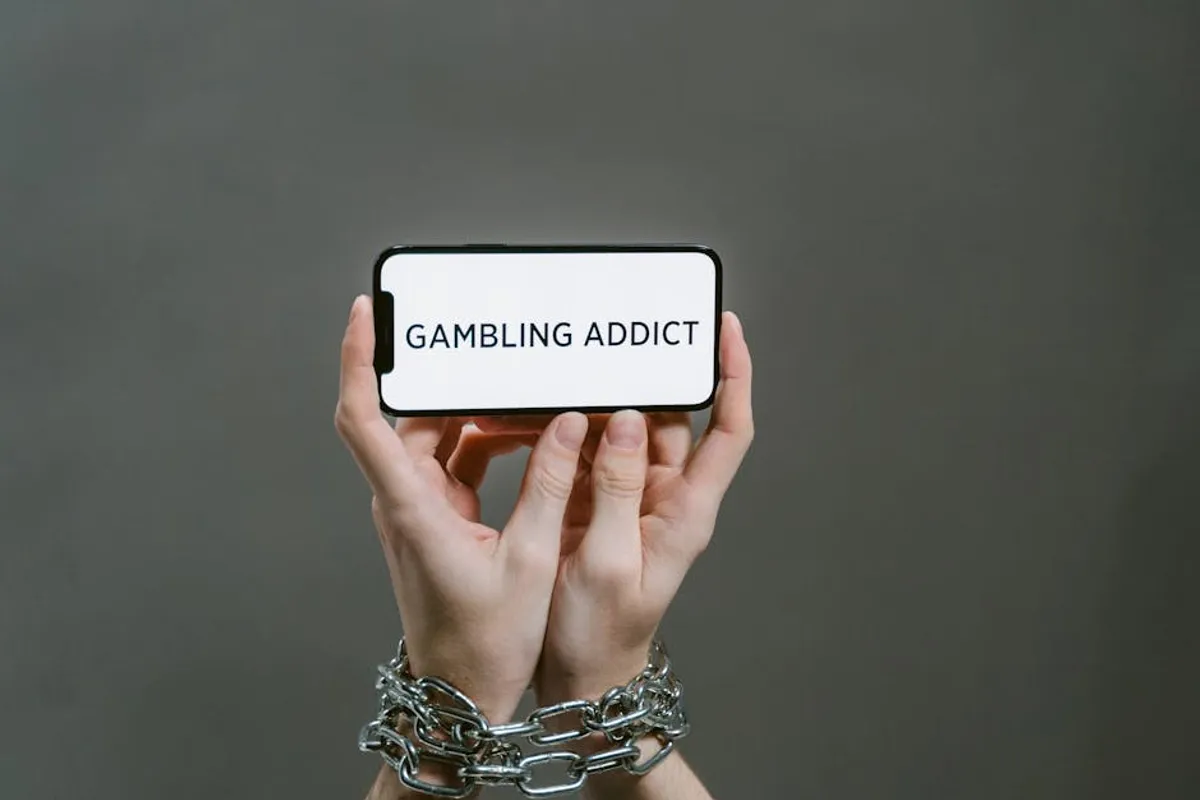
Online casino play offers entertainment and the thrill of potential wins, but without a structured approach, it can quickly shift from recreation to a financial or personal burden. For any player engaging with digital gaming platforms, understanding and implementing responsible gambling practices is not merely advisable; it is fundamental to maintaining control, preserving financial stability, and ensuring the activity remains a form of entertainment. This guide outlines practical, actionable strategies designed to empower players to make informed decisions and establish healthy boundaries within the online casino environment.
Establishing Financial Boundaries
Effective money management is the cornerstone of responsible online gambling. Before placing any wager, a player must define clear, non-negotiable financial limits. This proactive measure prevents overspending and protects essential funds.
Setting Deposit Limits
Most reputable online casinos offer tools allowing players to set daily, weekly, or monthly deposit limits. These are hard caps on the amount of money that can be added to an account within a specified timeframe. Once set, these limits typically cannot be increased immediately, often requiring a cooling-off period (e.g., 24-72 hours) before changes take effect. This delay provides a crucial buffer, preventing impulsive decisions to deposit more funds.
Tracking Wins and Losses
It is essential to maintain a clear record, or at least a conscious awareness, of both wins and losses. While a winning streak can be exhilarating, it does not negate the house edge over time. Conversely, losses should be viewed as the cost of entertainment, not as an investment that needs to be recouped. Relying on casino-provided transaction histories can help, but an independent personal log provides a more direct and unvarnished view of financial activity. Never allocate funds intended for rent, groceries, or other vital expenses to gambling activities.
Managing Your Time and Engagement
Just as financial limits are crucial, so too are time limits. Unchecked play can consume hours, leading to fatigue, poor decision-making, and neglect of other responsibilities.
Implementing Session Reminders
Many online platforms offer "reality checks" or session reminders. These pop-up notifications appear at predetermined intervals (e.g., every 30 minutes or hour) to inform the player how long they have been playing, their current session's wins/losses, and often prompt them to consider taking a break or logging out. Activating and adhering to these reminders helps interrupt prolonged play cycles.
Scheduling Breaks and Logouts
Beyond automated reminders, actively scheduling breaks is vital. Decide before starting a session how long it will last and stick to that commitment. Log out completely when the time limit is reached. This practice reinforces self-control and prevents the passive continuation of play that often leads to excessive engagement.
Cultivating a Healthy Mindset
The psychological aspects of gambling are as significant as the financial and temporal controls. A responsible player approaches the activity with a clear, rational perspective.
Avoiding Emotional Play
Gambling should never be used as a coping mechanism for stress, boredom, loneliness, or anger. Playing under emotional duress often leads to irrational decisions, increased wagers, and chasing losses. If feeling upset or agitated, it is best to postpone play until a calm, clear state of mind is restored.
Warning: Chasing losses is a primary indicator of problematic gambling behavior. The belief that past losses predict future wins is a cognitive distortion. Each game outcome is independent, and attempting to recover lost funds by increasing wagers almost invariably leads to further, more substantial losses.
Recognizing Problematic Patterns
Self-awareness is key. Regularly assess your gambling habits by asking:
- Am I spending more money than I intended or can afford?
- Am I spending more time gambling than I planned, or neglecting other activities?
- Do I feel guilty, anxious, or irritable about my gambling?
- Have I tried to stop or cut back on gambling unsuccessfully?
- Am I borrowing money or selling possessions to gamble?
- Is gambling affecting my relationships, work, or studies?
Answering yes to several of these questions suggests a need for re-evaluation and potentially external support.
Utilizing Player Protection Tools
Online casinos, often under regulatory requirements, provide various tools designed to help players manage their activity. These are not merely optional features but essential safeguards for responsible play.
Self-Exclusion Programs
For players who find it difficult to control their gambling, self-exclusion is a critical tool. This allows an individual to voluntarily ban themselves from playing at a specific online casino, or a group of casinos (e.g., through a multi-operator scheme), for a defined period (e.g., six months, one year, five years, or permanently). Once activated, self-exclusion cannot be reversed until the chosen period has elapsed, providing a strong barrier against relapse.
Cooling-Off Periods
Similar to self-exclusion but for shorter durations, cooling-off periods allow players to take a temporary break from gambling, typically ranging from 24 hours to several weeks. During this time, the player cannot log in or deposit funds, offering a temporary respite to reassess their habits.
Understanding Game Mechanics
A responsible player understands the underlying mathematics of casino games, rather than relying on superstitions or false beliefs about "due" wins.
House Edge and Return to Player (RTP)
Every casino game has a built-in advantage for the house, known as the "house edge." This ensures profitability for the operator over the long term. The "Return to Player" (RTP) percentage indicates the theoretical percentage of wagered money a game will pay back to players over an extended period. For example, an RTP of 96% means that, on average, for every $100 wagered, the game will return $96 to players, with $4 being the house edge. Understanding these concepts reinforces the reality that gambling is a game of chance with a statistical disadvantage for the player.
Volatility and Variance
Game volatility (or variance) describes the risk level of a particular game. High volatility games offer larger, less frequent payouts, while low volatility games offer smaller, more frequent payouts. Knowing a game's volatility helps manage expectations regarding potential wins and losses during a session and can influence bankroll management strategies.
Implementing Your Responsible Play Strategy
Responsible gambling is not a one-time decision but an ongoing commitment to a set of practices. By actively setting limits, managing time, cultivating a rational mindset, utilizing available tools, and understanding game mechanics, online casino players can ensure their engagement remains a controlled, enjoyable form of entertainment rather than a source of distress. Regularly review your habits and adjust your strategy as needed to maintain a healthy balance.
Frequently Asked Questions
What is the most important responsible gambling tip?
The most important tip is to only gamble with money you can afford to lose, treating it strictly as an entertainment expense, not a source of income or a solution to financial problems.
How do deposit limits work in online casinos?
Deposit limits allow you to set a maximum amount of money you can add to your casino account over a specific period (daily, weekly, or monthly). Once this limit is reached, you cannot deposit further funds until the period resets, and increasing the limit often involves a mandatory waiting period.
What should I do if I suspect I have a gambling problem?
If you suspect you have a gambling problem, the immediate steps should include activating self-exclusion tools on all gambling platforms you use, seeking support from a professional helpline or counseling service, and discussing your concerns with a trusted friend or family member.
Can I reverse a self-exclusion or cooling-off period?
Self-exclusion periods are typically irreversible until the chosen duration has fully elapsed, preventing impulsive returns to gambling. Cooling-off periods are also usually binding for their set duration, though some platforms may offer an option to shorten them after a mandatory waiting period, which is not recommended.