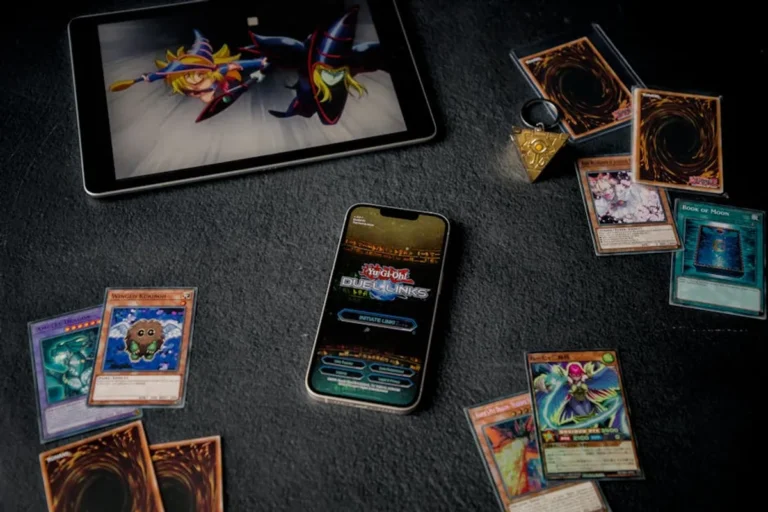
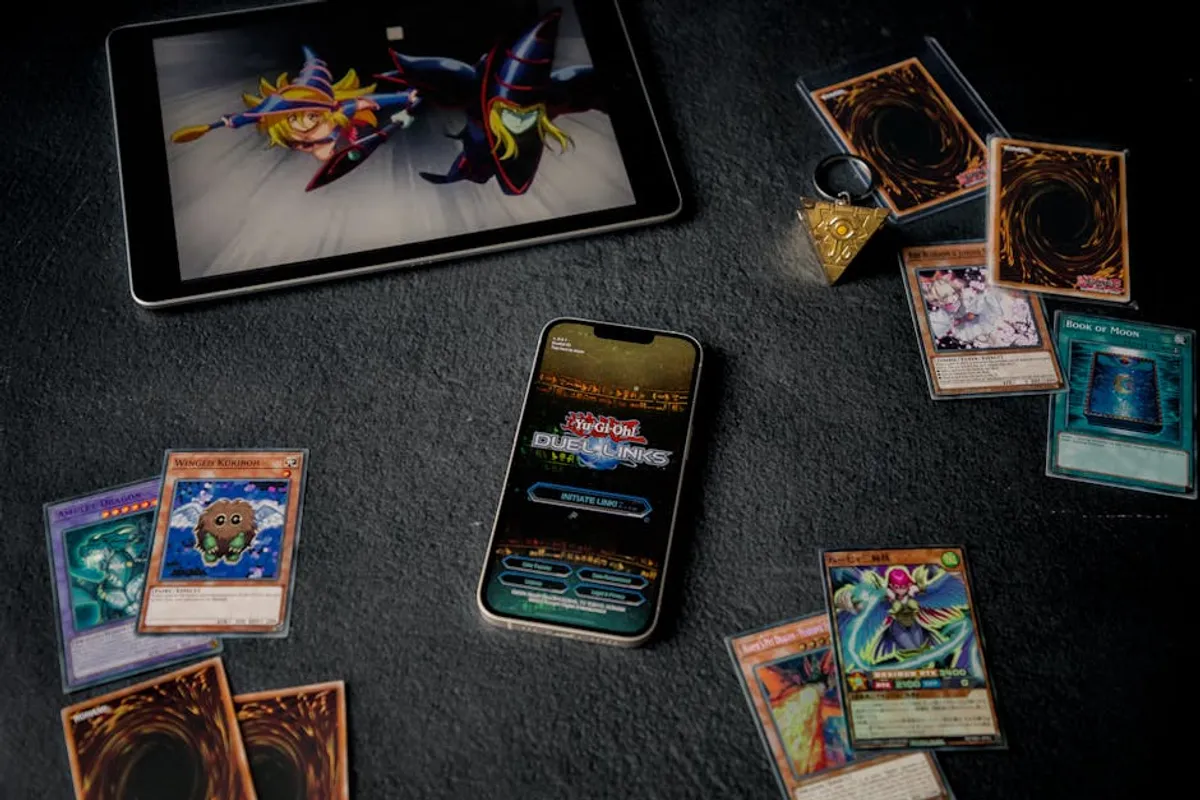
Effective anime game banners are not merely decorative; they are critical conversion tools. For game developers, publishers, and marketers, these visual assets represent the first point of contact with potential players across diverse digital landscapes. A well-designed banner captures immediate attention, communicates the game's core appeal, and compels a click-through or download. Conversely, a poorly executed banner wastes ad spend, diminishes brand perception, and fails to convert interested prospects into active players. This guide outlines the strategic and creative considerations for developing banners that resonate with the target audience and achieve specific marketing objectives, from initial awareness to direct acquisition.
Understanding Banner Function Across Platforms
The utility of an anime game banner shifts significantly depending on its placement. Each platform demands a tailored approach to maximize impact and align with user expectations.
Display Advertising Networks
Banners deployed on display networks (e.g., Google Display Network, ad exchanges) aim primarily for broad reach and brand awareness. Here, the goal is to introduce the game to a wide audience, often through visually striking character art or evocative scene snippets. The copy is typically concise, focusing on a compelling tagline or a clear value proposition. Performance is often measured by impressions and click-through rates (CTR), indicating initial interest.
Social Media Channels
Platforms like Facebook, Instagram, X (formerly Twitter), and TikTok require banners optimized for engagement and community building. These banners often integrate animation, short video clips, or interactive elements to stand out in fast-scrolling feeds. They might highlight new features, character reveals, or community events, encouraging likes, shares, and comments. Dimensions and aspect ratios are highly specific to each platform's ad formats, demanding careful adaptation.
Game Storefronts and App Marketplaces
On platforms such as Steam, PlayStation Store, Xbox Marketplace, Nintendo eShop, Google Play Store, and Apple App Store, banners serve as direct conversion drivers. They are often part of a larger asset package, including screenshots and trailers. These banners must immediately convey gameplay, art style, and unique selling points (USPs) to a user actively browsing for new games. The call to action (CTA) is typically implicit ("View Game," "Download"), with the banner's primary role being to entice a deeper look into the game's dedicated page. Successful banners often highlight game codes and promotions to attract users.
Core Design Principles for Impactful Banners
Regardless of placement, several universal design principles dictate a banner's effectiveness.
Visual Clarity and Art Style Consistency
The banner's artwork must be high-resolution and immediately recognizable as belonging to the game. Consistency with the game's actual art style prevents misdirection and builds trust. Focus on key characters, iconic environments, or dynamic action sequences that encapsulate the game's genre and appeal. Avoid overly cluttered compositions; simplicity often communicates more effectively in a small format.
Compelling Copy and Call to Action (CTA)
Text on banners must be minimal, impactful, and legible. The game title should be prominent. A concise tagline (e.g., "Unleash Your Inner Hero," "Forge Your Destiny") can provide immediate context or emotional resonance. The CTA must be clear and action-oriented, such as "Play Now," "Download Free," "Pre-Register," or "Learn More." Ensure sufficient contrast between text and background for readability across various screen sizes.
Strategic Branding Elements
Incorporate the game's logo or developer/publisher branding consistently. This reinforces brand recognition and helps establish authority. The logo should be visible but not dominate the primary visual message. Maintain a consistent color palette that aligns with the game's aesthetic and overall marketing campaign.
Optimized Dimensions and File Sizes
Each advertising platform and placement has specific size and aspect ratio requirements. Adhering to these specifications is crucial for preventing image distortion or cropping. Common sizes include:
- 300x250 (Medium Rectangle)
- 728x90 (Leaderboard)
- 160x600 (Wide Skyscraper)
- 970x250 (Billboard)
- 1080x1080 (Social Square)
- 1200x628 (Social Landscape)
Additionally, optimize file sizes to ensure fast loading times, which is critical for user experience and ad network performance metrics. Compressed PNG or JPG formats are standard, with GIF or HTML5 for animated banners.
Warning: Intellectual Property Rights
Always ensure that all visual assets, characters, and branding used in your banners are either original, licensed, or explicitly permitted for commercial use. Unauthorized use of fan art, character designs, or copyrighted material from other franchises can lead to severe legal repercussions and damage your brand reputation. When in doubt, use only official game assets or commission custom artwork with clear usage rights.
Iterative Testing and Performance Measurement
The initial deployment of an anime game banner is rarely its final form. Continuous testing and analysis are essential for maximizing return on investment.
A/B Testing Methodologies
Conduct A/B tests on different banner variations. Test distinct visual compositions, alternative CTAs, varying taglines, and even different color schemes. For instance, run one version with a close-up of a main character against another featuring a dynamic action scene. Track metrics like CTR, conversion rate (e.g., app installs, game purchases), and cost per acquisition (CPA) to identify which elements drive superior performance. This data-driven approach allows for iterative refinement and optimization.
Audience Segmentation and Personalization
Tailor banners to specific audience segments. A banner targeting players interested in competitive PvP might feature intense combat, while one aimed at narrative enthusiasts might highlight character interactions or lore. Personalizing the message and visuals increases relevance and engagement, leading to higher conversion rates.
Optimizing Your Banner Strategy
Creating effective anime game banners is an ongoing process that blends artistic vision with data-driven strategy. Focus on clear visual communication, concise messaging, and platform-specific optimization. Commit to continuous A/B testing and performance analysis to refine your creatives and ensure they consistently resonate with your target audience. By treating banners as dynamic marketing assets rather than static images, you can significantly enhance your game's visibility and acquisition efforts across the digital landscape.
Frequently Asked Questions
What are the most effective banner sizes for anime game advertising?
While effectiveness varies by platform and campaign goal, some of the most consistently high-performing sizes include 300x250 (medium rectangle), 728x90 (leaderboard), and 1080x1080 (square) for social media. Always consult specific platform guidelines for recommended dimensions.
How frequently should I update my anime game banner creatives?
Banner creatives should be refreshed regularly to combat "ad fatigue," where users become desensitized to seeing the same ad. For active campaigns, consider updating banners every 2-4 weeks, or whenever new game content, events, or promotions are launched. A/B testing can help determine optimal refresh cycles.
Should I use animated banners or static images for my anime game?
Animated banners (GIFs or HTML5) can significantly increase engagement and CTR due to their dynamic nature, especially on social media and display networks. However, they typically have larger file sizes and may not be supported on all platforms. Static images are more universally compatible and often preferred for quick loading or when conveying a single, strong visual message. Use a mix based on platform capabilities and campaign objectives.
What key performance indicators (KPIs) should I track for banner campaigns?
Key KPIs include Click-Through Rate (CTR) to measure initial engagement, Conversion Rate (CVR) for actions like app installs or game purchases, and Cost Per Acquisition (CPA) to assess efficiency. For brand awareness campaigns, focus on impressions and reach, alongside CTR. Monitoring these metrics helps optimize future banner designs and media spend.