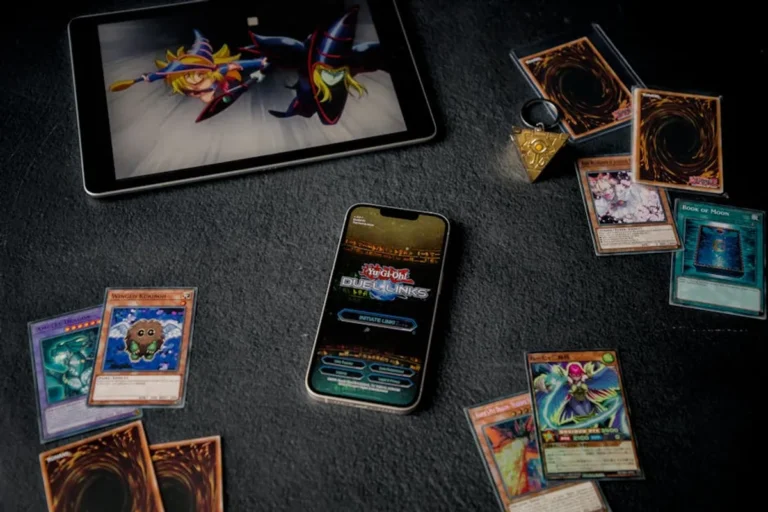

Anime game codes offer players a direct pathway to in-game advantages, from premium currency and rare items to exclusive characters and cosmetic enhancements. These redeemable sequences are frequently distributed by game developers as part of promotional campaigns, anniversary celebrations, or community engagement efforts. Understanding where to locate these codes, how to apply them correctly, and the strategies for maximizing their utility can significantly enhance the gaming experience, providing access to resources that would otherwise require substantial playtime or direct purchase.
Understanding Anime Game Codes
Anime game codes are unique alphanumeric strings that, when entered into a specific interface within a game, unlock various digital rewards. These codes are a marketing and community tool, designed to incentivize player engagement, reward loyalty, and attract new users. They function as a temporary benefit, typically with an expiration date or a limited number of redemptions, making timely acquisition and use crucial for players.
Common Types of Codes and Rewards
The specific nature of anime game codes varies widely by title and developer, but they generally fall into several categories, each offering distinct types of rewards:
- Promotional Codes: Often released during major updates, new character introductions, or collaborations. These might grant premium currency (e.g., "gems," "crystals"), summoning tickets, or unique in-game items.
- Event Codes: Tied to specific in-game events, real-world conventions, or seasonal celebrations. Rewards can include event-exclusive resources, limited-time cosmetics, or boosts to experience gain or item drop rates.
- Influencer/Creator Codes: Distributed through partnerships with streamers, YouTubers, or community figures. These often provide a small bonus to players who use them, sometimes also benefiting the content creator.
- Anniversary/Milestone Codes: Released to celebrate a game's launch anniversary, download milestones, or other significant achievements. These tend to offer more substantial rewards as a token of appreciation to the player base.
- Pre-registration Codes: Given to players who sign up for a game before its official launch, typically offering starter packs, exclusive characters, or a significant amount of in-game currency to kickstart their experience.
Rewards often include:
- In-game currency (premium and standard)
- Summoning tickets or gacha pulls
- Experience points or level-up materials
- Character shards or full characters
- Weapon or gear upgrade materials
- Cosmetic items (outfits, accessories)
- Energy refills or stamina boosts
Locating Active Anime Game Codes
Finding legitimate, active codes requires knowing where developers typically publish them. Relying on official channels is the most reliable method for avoiding expired or fraudulent codes.
Primary Sources for Code Distribution
Best for: Official and timely code releases.
- Official Game Social Media Accounts: Platforms like Twitter, Facebook, Discord, and sometimes Instagram are primary hubs for developers to announce new codes. Following these accounts ensures direct access to announcements.
- Official Game Websites and Forums: Many games maintain dedicated news sections or community forums where codes are posted alongside update notes or event details.
- Developer Live Streams and Videos: During special announcements, developer Q&A sessions, or celebratory live streams, codes are often revealed directly to viewers as a real-time incentive.
- In-Game Mail/Notifications: Some codes are sent directly to player inboxes within the game client, often as compensation for issues or as personal thank-you gifts.
Secondary Sources and Community Hubs
Best for: Aggregated lists and community verification.
- Dedicated Code Websites: Numerous websites specialize in compiling and verifying codes for various games. These sites often update frequently and provide expiration dates where available. Exercise caution and verify the legitimacy of these sites, as some may contain outdated or incorrect information.
- Gaming Subreddits and Fan Communities: Active player communities on platforms like Reddit or independent fan sites often share codes as soon as they are released, and members can help verify their validity.
- Content Creators and Influencers: Keep an eye on popular streamers and YouTubers who focus on your game. Developers frequently partner with them to distribute exclusive codes to their audience.
Pro Tip: Always prioritize official game channels for code verification. Third-party sites can be useful, but cross-referencing with official announcements minimizes the risk of encountering expired or misleading codes. Be wary of sites that require personal information beyond the game's redemption portal to access codes, as these may be phishing attempts.
Redeeming Your Codes
The redemption process is generally straightforward, though the exact steps can differ between games and platforms.
General Redemption Steps
- Locate the Redemption Portal: Most games feature an in-game option (often in settings, profile, or a dedicated "codes" menu) or an external website portal for code entry. Check the game's official website or FAQs if you cannot find it.
- Enter the Code: Carefully input the alphanumeric string into the designated field. Codes are often case-sensitive, so pay close attention to capitalization.
- Confirm Redemption: After entering, confirm the code. The game will typically display a success message and immediately credit your account with the rewards, often delivered via an in-game mailbox or directly added to your inventory.
Important Considerations:
- Expiration Dates: Codes are time-sensitive. Always check for an expiration date and redeem codes promptly.
- Usage Limits: Some codes have a limited number of redemptions across the entire player base. Act quickly after a code is released.
- Region Restrictions: A small number of codes may be region-locked, meaning they only work for players in specific geographical areas.
- Platform Specifics: Codes might be exclusive to certain platforms (e.g., Android-only, PC-only), so ensure the code is compatible with your playing environment.
Optimizing Your In-Game Rewards
To consistently benefit from anime game codes, integrate code-seeking into your routine. Set up notifications for official social media channels, regularly check reputable community hubs, and be prepared to act quickly when new codes are announced. The proactive approach ensures you maximize the free resources available, allowing for more strategic progression without additional financial investment.
Frequently Asked Questions
Do all anime games have codes?
No, not all anime games utilize a code redemption system. It is a common feature, particularly in mobile gacha games, but its presence depends on the developer's design and monetization strategy.
Are anime game codes always free?
Yes, the codes themselves are always distributed free of charge. They are a promotional tool, not a purchasable item. Any site attempting to sell codes should be avoided.
How often are new codes released?
The frequency of new code releases varies significantly by game. Some games release codes weekly or monthly, while others reserve them for major updates, anniversaries, or special events.
What should I do if a code doesn't work?
First, double-check for typos, capitalization, and ensure the code has not expired. If it still fails, verify its legitimacy through official channels. If the code is confirmed valid and active, contact the game's customer support for assistance.