
Modern anime fandom involves spending money in ways earlier fandoms mostly did not. This piece is about what that spending actually buys, where it actually goes, and what the structure tells us about the kind of fandom we are now participating in.
I am not making a moral argument either for or against fan spending. I have done plenty of it myself. I am making an analytical argument that fans should understand what we are actually paying for.
The doujin market is bigger than people realize
Comiket happens twice a year in Tokyo. The most recent edition I attended drew around 200,000 people across two days. Other doujin markets across Japan add up to several hundred thousand more attendees annually. Online doujin sales through dedicated platforms add several billion yen in annual transaction volume.
The doujin economy is in the same order of magnitude as the licensed merchandise economy for many series. For some niche series it is significantly larger.
What this money actually pays for is original work by amateur and semi-professional creators using existing IP. The legal status is gray; the cultural status in Japan is institutionalized; the economic significance is meaningful but underreported in industry analysis.
Doujin spending tends to flow to creators directly. The platform takes a cut. The IP rights holder typically takes nothing. This is the opposite of how the gacha economy works.
The gacha economy is enormous
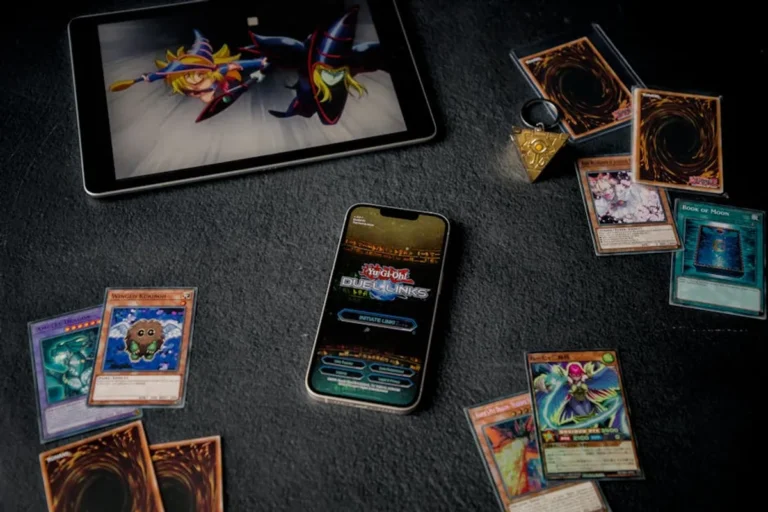
Mobile gacha games using anime IP generate revenue at scales that dwarf both doujin sales and traditional anime merchandise. Major successful games can generate hundreds of millions of dollars per year per title. The aggregate market across all anime-IP gacha games runs into the billions.
Where this money goes is structurally different from where doujin money goes. The gacha developer takes the largest share. The IP rights holder takes a meaningful licensing share. The platform — Apple or Google — takes thirty percent. The fans who actually create derivative content using the gacha IP get nothing.
I am not saying gacha is bad. I am saying the economic structure is the inverse of the doujin structure. Doujin moves money to creators. Gacha moves money away from creators to platforms and rights holders.
What I have actually spent on
I keep rough records. Across the last five years my fandom spending has gone roughly like this.
About forty percent on legitimate streaming subscriptions and Blu-ray releases.
About twenty percent on physical merchandise and convention attendance.
About fifteen percent on doujin works directly from creators.
About fifteen percent on mobile gacha games.
About ten percent on books, manga, and reference material.
The interesting number is the fifteen percent on gacha. It is more than I spent on doujin works directly from creators. Adjusted for who actually receives the money, the gacha share goes mostly to corporations and platforms while the doujin share goes mostly to individual artists. The economic impact of those two categories is very different even though the dollar amounts are similar.
I am not happy with this distribution. I would rather more of my money went to creators directly. But I keep playing the gacha game I play because I genuinely enjoy it. Fandom is messy.
What this structure does to creators
The current spending structure produces a few specific effects on the people who actually make anime and anime-adjacent work.
Animators get the worst of every revenue stream. Committee work pays flat fees. Merchandise revenue does not flow to animators. Gacha licensing money goes to the IP holder, not the studio, and certainly not to individual animators.
Original creators benefit somewhat better. Manga authors and light novel writers receive royalties from many revenue streams. Gacha licensing typically generates additional royalty streams for them. This is part of why successful manga authors can become wealthy while the animators who adapt their work cannot.
Doujin creators benefit directly from doujin spending. This is one of the only revenue streams that flows mostly to individual artists rather than to corporations.
The cumulative effect is that fan spending mostly does not reach the people whose individual labor produces the work fans care about. Fan spending mostly reaches IP holders, platforms, and corporate intermediaries.
What I think fans can actually do
I do not think the answer is to stop spending on anime. The industry would not survive that and the work I love would stop being produced.
I do think there are specific spending choices that better match the values most fans actually hold.
Buying directly from creators when possible. Doujin works, original art commissions, creator-direct platforms.
Subscribing to services that pay creators more reliably rather than less reliably. The differences between streaming services on this dimension are real.
Being more deliberate about gacha spending. Not stopping necessarily, but knowing what the money actually pays for.
Supporting studios that have started self-financing their own original projects. These projects often need direct fan support to succeed and they represent the most direct way fans can move money toward animators.
Modern fandom is not going to stop being expensive. The question is whether the spending we already do can be redirected toward the people whose work we actually love. Mostly it can be, with some attention.