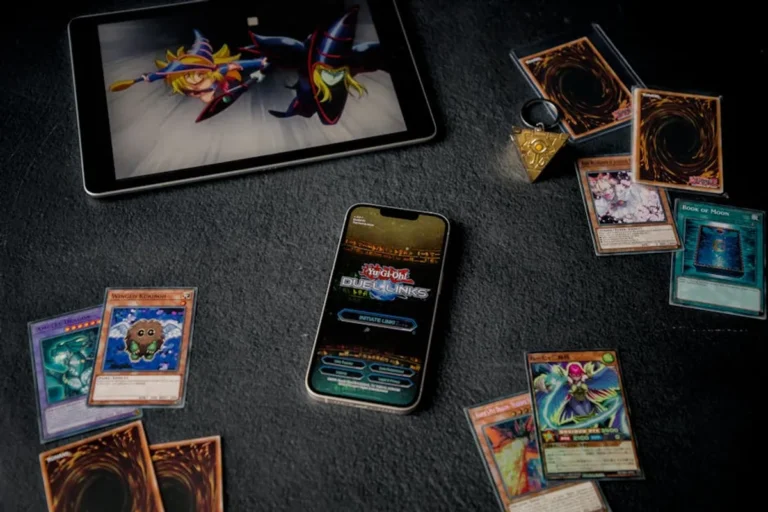

Anime strategy games blend the tactical depth of strategic gameplay with the distinct visual aesthetics and narrative styles characteristic of Japanese animation. These titles often present complex decision-making, intricate character development, and engaging storylines, appealing to players who value both cerebral challenge and compelling presentation. The genre encompasses various subcategories, from turn-based tactical RPGs (SRPGs) with grid-based combat to real-time strategy (RTS) elements, each offering a unique approach to strategic engagement.
Selecting the optimal anime strategy game depends heavily on individual preferences for gameplay complexity, narrative focus, and visual fidelity. Some players prioritize deep unit customization and intricate battle mechanics, while others seek rich, character-driven narratives and moral dilemmas. Understanding these distinctions is crucial for identifying a game that aligns with specific player expectations and provides a satisfying, long-term experience.
Factors to Consider When Choosing an Anime Strategy Game
Before committing to a specific title, evaluate several key aspects that define the experience of an anime strategy game. These considerations will help narrow down choices and ensure the selected game aligns with your preferred playstyle and interests.
- Gameplay Mechanics: Determine your preference for turn-based combat, which emphasizes deliberate planning and positional advantage, versus real-time strategy, which demands quick decision-making and simultaneous execution. Some games blend elements, offering a hybrid approach.
- Narrative Depth and Character Development: Many anime strategy games feature extensive storylines, branching paths, and a focus on character relationships. If a compelling narrative and well-developed cast are priorities, look for titles known for their storytelling.
- Art Style and Presentation: The "anime" aesthetic varies significantly, from classic 2D sprites to modern 3D cel-shaded graphics. Consider whether you prefer traditional hand-drawn visuals, detailed character models, or specific animation styles.
- Unit Customization and Progression: Assess the depth of customization options for units, characters, and armies. This includes skill trees, equipment systems, class changes, and the ability to tailor your forces to specific strategies.
- Replayability and Post-Game Content: Evaluate whether the game offers multiple difficulty settings, New Game+ modes, side quests, or online multiplayer to extend its lifespan beyond the main campaign.
- Difficulty Curve and Accessibility: Some strategy games are notoriously difficult and demand a steep learning curve, while others offer more approachable entry points. Consider your tolerance for challenge and your willingness to invest time in mastering complex systems.
1. Fire Emblem: Three Houses
Fire Emblem: Three Houses redefines the series' tactical RPG formula by integrating a social simulation component. Players assume the role of a professor at Garreg Mach Monastery, guiding one of three distinct houses through a war-torn continent. The strategic depth lies in unit placement, class progression, and the "Gambit" system, which allows for powerful coordinated attacks. The game's narrative branches significantly based on the chosen house, offering substantial replay value and exploring themes of duty, loyalty, and conflict from multiple perspectives.
Best for: Players who prioritize deep character relationships, branching narratives, and turn-based tactical combat with a strong emphasis on unit customization and class progression.
Pros:
- Rich, multi-path narrative with significant player choice impact.
- Engaging social simulation elements that enhance character development and combat effectiveness.
- Robust class system and unit customization options.
- High replayability due to distinct house routes and story variations.
Cons:
- Some players may find the monastery exploration and social sim aspects repetitive over multiple playthroughs.
- The game's difficulty can be uneven, especially on lower settings.
Verdict: An excellent entry for those seeking a hybrid experience of tactical combat and character-driven storytelling, offering extensive content and meaningful choices.
2. Disgaea 5: Alliance of Vengeance
Disgaea 5: Alliance of Vengeance stands out for its over-the-top damage numbers, intricate character customization, and near-infinite progression systems. As a tactical RPG, it features grid-based combat with unique mechanics like "Lift and Throw," stack attacks, and the "Revenge Mode." The narrative follows a group of demon overlords uniting against a common enemy, presented with the series' signature irreverent humor. Its core appeal lies in optimizing character builds, grinding for stat maximization, and tackling increasingly challenging post-game content.
Best for: Players who enjoy extreme character customization, extensive grinding, high damage numbers, and a lighthearted, humorous narrative in a tactical RPG format.
Pros:
- Unparalleled depth in character customization and progression.
- Humorous dialogue and engaging, albeit unconventional, story.
- Hundreds of hours of content, especially in the post-game.
- Unique combat mechanics like "Lift and Throw" add strategic layers.
Cons:
- The sheer complexity and grind can be overwhelming for new players.
- Visuals, while stylized, may not appeal to all preferences.
Verdict: A definitive choice for tactical RPG enthusiasts who thrive on deep systems, exponential growth, and a commitment to long-term optimization.
3. Valkyria Chronicles 4
Valkyria Chronicles 4 returns to the series' roots, offering a unique blend of turn-based strategy and real-time action in its "BLiTZ" combat system. Players command a squad of soldiers in a fictionalized World War II setting, navigating battlefields with both overhead tactical planning and direct control of individual units. The game's distinctive "CANVAS" engine delivers a watercolor-like aesthetic, enhancing its dramatic narrative about a squad's struggles during a brutal conflict. The emphasis is on strategic positioning, unit synergy, and exploiting enemy weaknesses.
Best for: Players seeking a unique tactical combat system that blends turn-based strategy with real-time unit control, alongside a mature, character-driven war narrative.
Pros:
- Innovative "BLiTZ" combat system offers dynamic tactical engagement.
- Distinctive watercolor art style and compelling presentation.
- Strong narrative focusing on camaraderie and the human cost of war.
- Diverse unit types with unique roles and abilities.
Cons:
- Mission design can occasionally feel repetitive.
- Some character archetypes are familiar tropes.
Verdict: A visually striking and mechanically innovative tactical experience that effectively combines strategic depth with a poignant story of wartime bravery.
4. Triangle Strategy
Triangle Strategy presents a compelling HD-2D tactical RPG experience, focusing on moral choices and political intrigue. Set in the war-torn continent of Norzelia, players guide Serenoa Wolffort through a series of difficult decisions that directly impact the story's progression and the allegiance of characters. Combat unfolds on intricate, multi-tiered battlefields, emphasizing environmental interactions, elemental weaknesses, and unit positioning. The game's "Scales of Conviction" system ensures player choices have tangible consequences, making each playthrough distinct.
Best for: Fans of classic tactical RPGs who appreciate complex narratives driven by moral dilemmas, weighty political themes, and a distinct visual style.
Pros:
- Deep, branching narrative with significant player choice and multiple endings.
- Challenging and strategically rich grid-based combat.
- Striking HD-2D art style that blends pixel art with modern effects.
- Diverse cast of characters with unique abilities and motivations.
Cons:
- Slow narrative pacing in early chapters may deter some players.
- Limited character customization compared to some other SRPGs.
Verdict: A strong recommendation for those who prioritize narrative depth and impactful decisions within a challenging, classic-style tactical combat framework.
5. Wargroove
Wargroove serves as a spiritual successor to classic turn-based tactics games, offering a vibrant pixel-art aesthetic and accessible yet deep gameplay. Players command one of 15 unique commanders, each with a powerful "Groove" ability, across a variety of campaigns, skirmishes, and a robust map editor. The game emphasizes unit synergy, terrain advantages, and understanding the rock-paper-scissors dynamic between different unit types. Its clear mechanics and engaging visual style make it approachable for newcomers while offering strategic depth for veterans.
Best for: Players seeking a highly accessible yet strategically deep turn-based tactics game with a charming pixel-art style, robust content creation tools, and local/online multiplayer.
Pros:
- Accessible mechanics with surprising strategic depth.
- Charming pixel-art visuals and engaging character designs.
- Extensive content including multiple campaigns, challenges, and a robust map editor.
- Strong multiplayer options, both local and online.
Cons:
- Narrative is functional but less complex than some other anime strategy games.
- Unit variety, while sufficient, isn't as expansive as some larger titles.
Verdict: An excellent choice for tactical purists who appreciate clean mechanics, a vibrant presentation, and significant replayability through user-generated content and multiplayer.
6. Super Robot Wars 30
Super Robot Wars 30 celebrates three decades of the crossover tactical RPG series, bringing together iconic mechs and characters from various anime franchises. Players command a massive army of giant robots in grid-based, turn-based combat, utilizing each unit's unique attacks and special abilities. The game's appeal lies in its fan service, allowing players to witness dream matchups and original story interactions between characters from different universes. Strategic depth comes from unit placement, energy management, and optimizing combined attacks.
Best for: Fans of classic mecha anime who desire a tactical RPG experience focused on massive crossover battles, intricate unit management, and a celebratory narrative.
Pros:
- Extensive roster of iconic mechs and characters from various anime series.
- Satisfying, over-the-top combat animations.
- Deep unit customization and pilot skill progression.
- Engaging crossover narrative that respects source material.
Cons:
- Can be overwhelming for players unfamiliar with the numerous featured franchises.
- Graphics, while improved, retain a somewhat dated aesthetic.
Verdict: The ultimate fan service tactical RPG for mecha enthusiasts, offering a compelling blend of strategic combat and nostalgic crossover storytelling.
7. Langrisser I & II
Langrisser I & II are remakes of classic tactical RPGs, offering updated visuals and quality-of-life improvements while preserving the original strategic depth. The games feature grid-based combat where commanders lead squads of units, emphasizing terrain advantages, elemental weaknesses, and the unique abilities of each commander. The narrative presents a high-fantasy conflict between good and evil, with branching paths and multiple endings based on player choices. The core appeal lies in its traditional SRPG mechanics and the weight of strategic decisions.
Best for: Players who appreciate classic, challenging turn-based tactical RPGs with a focus on commander-led squad combat, high fantasy narratives, and branching story paths.
Pros:
- Faithful remakes that preserve the original games' strategic depth.
- Challenging grid-based combat requiring careful planning.
- Branching narrative paths with multiple endings in both games.
- Updated art and voice acting enhance the presentation.
Cons:
- Some mechanics may feel dated compared to modern SRPGs.
- Difficulty spikes can be steep for new players.
Verdict: A solid choice for tactical RPG purists and fans of classic strategy games looking for a challenging experience with a rich fantasy narrative.
8. Front Mission 1st: Remake
Front Mission 1st: Remake revitalizes the iconic tactical RPG, placing players in control of customizable mechs called Wanzers. Combat takes place on isometric grids, where strategic targeting of enemy body parts (arms, legs, body) is crucial for disabling weapons or movement. The game features a gritty, grounded narrative centered on political conflict and military espionage, diverging from typical high-fantasy settings. The core loop involves upgrading Wanzers, managing resources, and deploying units strategically across diverse mission objectives.
Best for: Enthusiasts of grounded military sci-fi narratives, deep mech customization, and tactical RPGs where unit loadouts and positional play are paramount.
Pros:
- Deep and satisfying Wanzer customization with significant strategic impact.
- Unique body-part targeting system adds tactical depth to combat.
- Gritty, mature sci-fi narrative with political intrigue.
- Faithful remake with improved visuals and quality-of-life features.
Cons:
- The narrative can be dense and requires attention to detail.
- The pacing may feel slow for players accustomed to faster-paced strategy games.
Verdict: An excellent entry for those seeking a mech-focused tactical RPG with a strong emphasis on customization, strategic combat, and a mature, non-fantasy storyline.
9. Unicorn Overlord
Unicorn Overlord, developed by Vanillaware, offers a unique blend of real-time strategy overworld exploration and tactical auto-battles. Players assemble squads of diverse units, each with specific classes and abilities, and deploy them to liberate a continent. Combat involves setting up unit formations and tactics beforehand, then watching the battles unfold in a beautifully animated sequence. The strategic depth comes from optimal squad composition, counter-picking enemy units, and managing resources on the world map. Its distinctive art style and innovative combat system set it apart.
Best for: Players who enjoy building and optimizing diverse army compositions, exploring a vibrant world, and engaging in tactical battles with a strong emphasis on pre-combat planning.
Pros:
- Stunning 2D art style and fluid animations characteristic of Vanillaware.
- Innovative combat system focused on squad composition and pre-battle tactics.
- Extensive character roster and class diversity.
- Engaging overworld exploration and liberation mechanics.
Cons:
- Direct control over units during combat is minimal, focusing more on preparation.
- The sheer number of units and systems can be overwhelming initially.
Verdict: A visually magnificent and strategically deep experience for those who appreciate meticulous army building and a unique take on real-time tactical combat.
10. God Wars Future Past
God Wars Future Past is a tactical RPG deeply rooted in Japanese folklore and mythology. Players lead a group of heroes through a grid-based combat system, utilizing unique job classes, elemental affinities, and positional tactics. The narrative explores themes of ancient traditions, divine intervention, and the clash of different cultures, presented with a traditional anime art style. Character progression involves a robust job system, allowing for extensive customization of abilities and stats, ensuring varied strategic approaches to combat encounters.
Best for: Players who enjoy tactical RPGs with a strong emphasis on Japanese mythology, traditional class systems, and a deliberate, turn-based combat pace.
Pros:
- Rich narrative steeped in Japanese folklore and mythology.
- Deep job system allowing for extensive character customization and strategic builds.
- Challenging grid-based combat with emphasis on elemental weaknesses and positioning.
- Distinctive traditional anime art style.
Cons:
- Pacing can be slow, particularly in the early game.
- Some character models and animations may lack modern polish.
Verdict: A compelling choice for fans of traditional tactical RPGs who seek a culturally rich narrative and intricate character progression within a challenging combat system.
11. Stella Glow
Stella Glow is a charming tactical RPG centered around a unique "Song Magic" mechanic. Players control a knight tasked with recruiting Witches and utilizing their musical abilities to combat a world-ending threat. Combat is turn-based and grid-based, featuring environmental effects and the strategic use of Song Magic to buff allies or debuff enemies. The game blends tactical battles with social simulation elements, allowing players to build relationships with characters and unlock new abilities. Its strength lies in its engaging characters, unique mechanics, and heartfelt narrative.
Best for: Players who enjoy tactical RPGs with a strong narrative, unique musical mechanics, and light social simulation elements, presented with a vibrant anime aesthetic.
Pros:
- Unique "Song Magic" mechanic adds a distinct strategic layer to combat.
- Engaging cast of characters and a charming, heartfelt narrative.
- Solid turn-based tactical combat with diverse mission objectives.
- Pleasing art style and memorable musical score.
Cons:
- Some early missions can feel simplistic.
- The social simulation aspects are not as deep as some dedicated titles.
Verdict: A delightful and distinct tactical RPG that successfully integrates musical themes and social elements into its strategic combat and compelling story.
12. Sakura Wars (2019)
Sakura Wars (2019) revitalizes the long-running series, blending action-based combat with visual novel-style dating simulation elements. Players assume the role of Seijuro Kamiyama, leading the Imperial Combat Revue in both theatrical performances and mech-based battles against demonic forces. The strategy element comes from managing relationships with the female cast, which directly impacts their combat performance, and making timely decisions during the adventure segments. Combat is real-time action, but the strategic layer is in character development and relationship management.
Best for: Players who enjoy a strong narrative focus, character interaction, and dating sim elements alongside real-time mech combat, with a vibrant, theatrical presentation.
Pros:
- Engaging characters and a charming, theatrical narrative.
- Beautiful anime presentation and character designs.
- Compelling blend of visual novel, dating sim, and action combat.
- Relationship choices directly influence combat effectiveness.
Cons:
- Combat can feel less strategically deep than pure tactical RPGs.
- The focus on visual novel elements may not appeal to all strategy game fans.
Verdict: A unique hybrid experience for those who prioritize character-driven storytelling and relationship management alongside stylish mech action, rather than traditional grid-based strategy.
Optimizing Your Anime Strategy Game Experience
Choosing the right anime strategy game is the first step; maximizing your enjoyment requires active engagement with its systems. Understand that success often hinges on mastering the core mechanics, whether it's unit positioning in turn-based combat, optimal squad composition in real-time battles, or leveraging character relationships. Utilize in-game tutorials and practice modes to familiarize yourself with complex systems. Many of these games feature extensive post-game content, New Game+ options, or multiplayer modes that significantly extend their replay value. Engaging with community forums or wikis can also provide valuable insights into advanced strategies, optimal builds, and hidden content, enriching the overall experience.
Frequently Asked Questions About Anime Strategy Games
What defines an anime strategy game?
An anime strategy game is characterized by its distinct Japanese animation-inspired art style and often features narrative-driven gameplay, character development, and strategic combat mechanics, ranging from turn-based tactics to real-time strategy.
Are these