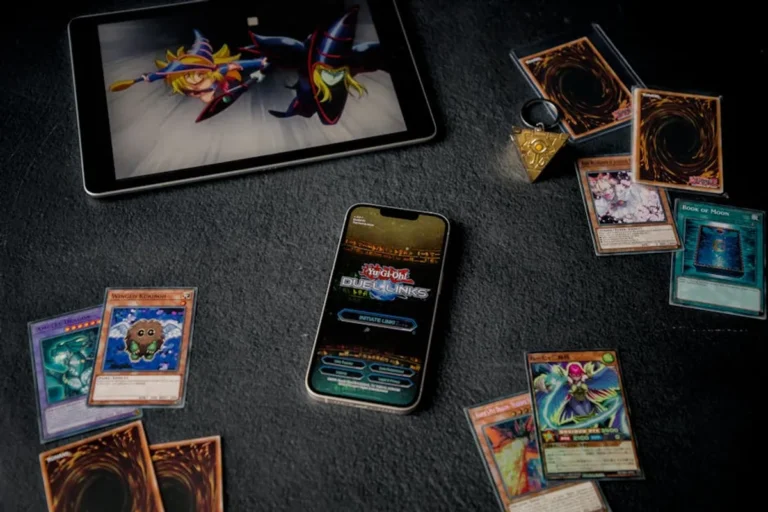

Navigating the landscape of anime-inspired card games presents a diverse challenge for both new players and seasoned collectors. The market spans everything from direct adaptations of beloved series to original titles steeped in distinct anime aesthetics, each offering unique gameplay mechanics, strategic depths, and community dynamics. Choosing the right game involves more than just recognizing an anime title; it requires evaluating the core gameplay loop, the financial commitment for collecting, the vibrancy of its competitive scene, and how well its art and lore resonate with individual preferences. This guide aims to clarify these distinctions, providing a structured overview to help identify which anime card game aligns best with specific interests, whether that's deep tactical play, extensive collecting, or engaging with a favorite fictional universe.
How to Choose Your Next Anime Card Game
Selecting an anime card game involves weighing several factors beyond initial aesthetic appeal. Consider these aspects to ensure the game aligns with your expectations for engagement and long-term enjoyment.
- Gameplay Depth and Mechanics: Evaluate the core rules. Do you prefer complex strategic interactions, intricate deck-building, or a more straightforward combat system? Some games prioritize resource management, others focus on aggressive combat, and many blend elements. Understand if the game rewards long-term mastery or offers a quicker learning curve.
- Intellectual Property (IP) Integration: If the game is based on an existing anime, assess how faithfully and effectively it translates the source material. Does the art style capture the anime's essence? Do character abilities reflect their on-screen powers? Strong IP integration enhances immersion and appeal for fans of the original series.
- Community and Organized Play: An active player base and robust organized play (OP) support are crucial for sustained engagement. Research local game stores for events, online communities for discussion and trade, and the official support for tournaments and new releases. A thriving community often indicates a healthier game ecosystem.
- Accessibility and Cost of Entry: Determine the initial investment required. Are starter decks readily available and affordable? What is the typical cost of booster packs and competitive single cards? Some games are designed for budget-friendly casual play, while others can demand significant financial outlay for top-tier decks. Consider both the initial buy-in and the ongoing cost of keeping up with new sets.
- Collectibility and Rarity: For those interested in collecting, examine the rarity structure, the variety of alternate art cards, and the potential for long-term value. Some games emphasize collecting rare foils or unique promotional cards, which adds another dimension to the hobby beyond just playing.
- Digital vs. Physical Play: Many popular card games offer both physical and digital versions. Consider if you prefer the tactile experience of physical cards and face-to-face interaction or the convenience and often lower cost of digital platforms. Some digital versions include unique gameplay elements or faster matchmaking.
1. Yu-Gi-Oh! Official Card Game
Yu-Gi-Oh! remains a cornerstone of the anime card game world, distinguished by its intricate rule set and constant evolution. Players summon monsters, activate spell and trap cards, and utilize an Extra Deck to execute complex combos aimed at depleting an opponent's Life Points. The game is known for its "chain" mechanics, allowing for multiple card effects to resolve in a specific order, creating deep strategic interactions and opportunities for counter-play. With over two decades of continuous releases, the card pool is vast, offering immense deck-building freedom but also contributing to a high learning curve for newcomers.
Best for: Players seeking deep, combo-driven strategic gameplay, those who enjoy a high skill ceiling, and dedicated fans of the original anime series.
Pros: Extensive card pool provides unparalleled deck diversity and strategic depth. Frequent ban list updates and new product releases keep the meta fresh. Strong global competitive scene with official tournaments and a dedicated player base.
Cons: High complexity and a vast rulebook can be intimidating for new players. Meta shifts can be rapid, requiring frequent deck adjustments and investment to stay competitive. Some card effects can lead to lengthy turns, potentially slowing down gameplay.
Verdict: Yu-Gi-Oh! offers a highly rewarding experience for those willing to invest the time in mastering its complex mechanics. It consistently delivers strategic depth and a dynamic competitive environment, making it a perennial favorite for serious card game enthusiasts.
2. Pokémon Trading Card Game
The Pokémon Trading Card Game translates the beloved franchise into a accessible yet strategic card game. Players build decks around their favorite Pokémon, evolving them, attaching energy cards to power their attacks, and utilizing Trainer cards for strategic advantage. The objective is to take six Prize cards by knocking out opponent's Pokémon. Its core appeal lies in its straightforward combat system, iconic characters, and a balance between luck and strategy, making it approachable for all ages while still offering competitive depth for experienced players.
Best for: Pokémon fans of all ages, players looking for a balanced mix of strategy and accessibility, and those interested in collecting iconic Pokémon artwork.
Pros: Highly accessible rules make it easy for beginners to learn. Strong brand recognition and appeal to a wide demographic. Robust organized play support, from local events to world championships. Excellent collectibility with numerous rare and alternate art cards.
Cons: Competitive play can sometimes be dominated by a few powerful archetypes. The reliance on coin flips for some effects introduces an element of randomness that can be frustrating for purely strategic players. Keeping up with new sets can become costly for competitive players.
Verdict: The Pokémon TCG successfully leverages its massive IP to create a game that is both fun to play and highly collectible. It serves as an excellent entry point into card games, offering enough strategic nuance to retain competitive interest.
3. Dragon Ball Super Card Game
The Dragon Ball Super Card Game brings the high-octane battles of the Dragon Ball universe to the tabletop. Players build decks around a chosen Leader Card, representing a character from the series, and engage in fast-paced combat using Battle Cards, Extra Cards, and various abilities. The game features a "Combo" system, allowing players to boost their attacks and defenses by discarding cards, adding a layer of resource management and tactical decision-making. Its mechanics are designed to evoke the dramatic power-ups and clashes characteristic of Dragon Ball.
Best for: Dedicated fans of the Dragon Ball franchise, players who enjoy aggressive, combat-focused gameplay, and those seeking a game with a strong anime aesthetic.
Pros: Captures the essence of Dragon Ball battles through thematic mechanics and vibrant artwork. Relatively easy to learn core rules, making it accessible to new players. Active competitive scene with regular official tournaments and community engagement. Consistent release schedule introduces new characters and strategies.
Cons: Power creep can be noticeable with new sets, potentially invalidating older strategies quickly. Some complex card interactions can lead to confusion without clear rulings. The focus on combat might feel less diverse for players seeking varied strategic objectives.
Verdict: Dragon Ball Super Card Game delivers an authentic Dragon Ball experience with engaging combat mechanics. It offers a solid competitive environment and is a strong choice for fans looking to immerse themselves in the series' world through card play.
4. Digimon Card Game
The Digimon Card Game offers a unique approach to card combat, centered around an "evolution" mechanic where players evolve their Digimon from lower levels to higher, more powerful forms. This system builds anticipation and strategic planning, as players invest resources to bring out their ultimate Digimon. The game features a memory gauge that dictates turn flow, adding a layer of resource management and tactical decision-making regarding when to pass the turn or push for an advantage. Its art style directly reflects the various Digimon anime series, appealing strongly to fans.
Best for: Fans of the Digimon franchise, players who enjoy strategic evolution mechanics, and those who appreciate games with a distinct resource management system.
Pros: Innovative evolution mechanic provides satisfying progression and strategic depth. The memory gauge system creates dynamic turn-based gameplay. Strong thematic integration with the Digimon lore and character designs. Growing competitive scene with dedicated community support.
Cons: The learning curve for optimal memory management can be steep for new players. Some decks can be highly reliant on specific combos, leading to inconsistent draws. Availability of certain highly sought-after cards can sometimes be an issue.
Verdict: The Digimon Card Game stands out with its unique evolution and memory mechanics, offering a fresh take on the collectible card game genre. It successfully translates the Digimon experience into a compelling strategic game for its fanbase.
5. Cardfight!! Vanguard
Cardfight!! Vanguard distinguishes itself with its "Ride" mechanic, where players advance their central "Vanguard" unit through different grades, gaining new abilities and increasing their power. Combat involves calling "Rear-guards" to support the Vanguard, aiming to deal damage to the opponent's "Damage Zone." The game's "Trigger" system, where revealed cards during attacks can grant bonus power or critical damage, introduces an element of chance and excitement. Vanguard emphasizes aggressive, front-line combat and unit synergy, making it a dynamic and often fast-paced experience.
Best for: Players who enjoy aggressive, unit-based combat, those who like a blend of strategy and luck, and fans of the anime series seeking direct game adaptation.
Pros: Engaging "Ride" and "Trigger" mechanics create dramatic turns and exciting combat. Relatively simple core rules make it approachable for new players. Strong emphasis on unit synergy and aggressive play. Active community and consistent release of new sets.
Cons: The "Trigger" system can sometimes lead to highly swingy games based on luck. Keeping up with multiple clans and their specific mechanics can be complex for dedicated players. Certain powerful cards can become expensive on the secondary market.
Verdict: Cardfight!! Vanguard offers a distinct and engaging combat system that appeals to players who enjoy tactical unit deployment and a touch of chance. Its direct link to the anime series provides a strong entry point for fans.
6. Weiss Schwarz
Weiss Schwarz stands apart by focusing entirely on crossover content from various anime, manga, and video game franchises. Players build decks using characters and scenes from their favorite series, with card abilities often reflecting iconic moments or character traits. The game's unique "Climax" system, where special cards trigger powerful effects and provide soul boosts, adds a layer of strategic timing and resource management. Its appeal largely stems from the ability to play with characters from disparate universes, fostering a strong sense of nostalgia and fan engagement.
Best for: Anime enthusiasts who enjoy crossover content, collectors of specific anime IPs, and players looking for a game with a strong thematic connection to their favorite series.
Pros: Features a vast array of popular anime and video game IPs, allowing players to build decks with beloved characters. Thematic card abilities and artwork deeply integrate with source material. Accessible core rules make it relatively easy to learn. Strong community engagement around specific anime titles.
Cons: The "leveling" and "damage" mechanics can sometimes feel highly luck-dependent. Balancing issues can arise between different sets/IPs due to the crossover nature. Competitive play often requires understanding specific interactions across many different series.
Verdict: Weiss Schwarz excels as a fan-service driven card game, offering a unique platform for players to engage with their favorite anime characters. Its accessible rules and strong thematic ties make it a compelling choice for collectors and casual players alike.
7. One Piece Card Game
The One Piece Card Game translates the swashbuckling adventures of the Straw Hat Pirates into a dynamic strategic game. Players choose a Leader Card, representing a key character, and build a deck using characters, events, and stages from the One Piece universe. The game features a "DON!!" card system, which acts as a resource for activating abilities and boosting power, requiring careful management. Combat is straightforward but offers strategic depth through character abilities and timing, aiming to reduce the opponent's life cards to zero.
Best for: Devoted One Piece fans, players who enjoy resource management mechanics, and those seeking a modern card game with strong IP integration and a growing competitive scene.
Pros: Excellent thematic representation of the One Piece world through art and card effects. The "DON!!" card system provides a unique and engaging resource management challenge. Strong global community and active competitive play. Consistent release schedule introducing new arcs and characters.
Cons: The game's rapid growth can lead to scarcity of popular products. Power creep with new sets can make older cards less viable. Competitive meta can sometimes be dominated by a few powerful archetypes, requiring specific counter-strategies.
Verdict: The One Piece Card Game offers a compelling and thematic experience for fans, combining accessible rules with strategic depth through its unique resource system. It has quickly established itself as a major player in the anime card game market.
8. Shadowverse Evolve
Shadowverse Evolve is the physical collectible card game adaptation of the popular digital CCG, Shadowverse. It brings the distinct anime art style and core mechanics, such as "Evolve" and "Clash," to the tabletop. Players choose one of eight unique classes, each with its own playstyle and card pool, and battle to reduce the opponent's defense to zero. The "Evolve" mechanic allows units to gain powerful effects and stat boosts, often turning the tide of battle. The game emphasizes strategic board control and careful resource management, mirroring its digital counterpart's depth.
Best for: Fans of the digital Shadowverse game, players who appreciate high-quality anime artwork, and those seeking a strategic game with distinct class identities.
Pros: Retains the engaging gameplay and stunning anime art from the digital version. Diverse class system offers varied playstyles and deck-building options. The "Evolve" mechanic provides impactful strategic decisions. Active competitive scene and regular product releases.
Cons: The physical game can be more expensive to collect than its digital counterpart. Some class match-ups can feel highly favored. The rule set, while intuitive for digital players, may require some adjustment for those new to physical CCGs.
Verdict: Shadowverse Evolve successfully translates a popular digital anime CCG into a robust physical format. It offers deep strategic gameplay, beautiful artwork, and a strong sense of class identity, appealing to both existing fans and new players.
9. Final Fantasy Trading Card Game
The Final Fantasy Trading Card Game draws from the expansive universe of Square Enix's iconic RPG series. Players build decks around characters, summons, and monsters from across the Final Fantasy saga, using a unique "Crystal Point" (CP) resource system generated by dulling cards. Combat involves attacking "forwards" (attackers) and defending with "backups" (support units), aiming to deal seven points of damage to the opponent. The game's mechanics often reflect the RPG elements of the source material, such as character synergy and elemental affinities.
Best for: Fans of the Final Fantasy franchise, players who enjoy resource management and character synergy, and those seeking a strategic game with rich lore.
Pros: Deeply thematic integration with the Final Fantasy universe, featuring characters and lore from across all titles. Strategic resource management through the CP system. Offers a good balance of offensive and defensive play. Active and dedicated global community.
Cons: The card pool is extensive, which can be daunting for new players to navigate. Some powerful cards can be difficult to acquire. The game's pace can sometimes be slower than other aggressive card games.
Verdict: The Final Fantasy TCG provides a rich and strategic experience for fans of the RPG series. Its unique resource system and thematic depth make it a compelling choice for players who appreciate intricate mechanics and strong IP integration.
10. Rebirth for You
Rebirth for You is another crossover anime card game from Bushiroad, the creators of Weiss Schwarz, but with a distinct gameplay identity. It features a simpler rule set focused on direct combat and resource management through a "Rebirth" system. Players aim to reduce their opponent's life to zero by playing character cards and utilizing event cards, often tied to specific anime IPs. The game emphasizes quick, impactful turns and accessible mechanics, making it a good entry point for newer players or those seeking a less complex game than some of its counterparts.
Best for: Anime fans looking for a more accessible card game, players who enjoy direct combat and quick games, and collectors of specific anime IPs with simpler mechanics.
Pros: Relatively simple rules make it very easy to pick up and play. Features a variety of popular anime and manga IPs. Games tend to be faster-paced, suitable for casual play. The "Rebirth" mechanic offers a unique comeback opportunity.
Cons: Strategic depth is generally lower than more complex CCGs, potentially limiting long-term competitive appeal for some. The crossover nature means balancing between different IPs can be inconsistent. Less widespread competitive support compared to larger titles.
Verdict: Rebirth for You serves as an excellent gateway anime card game, offering straightforward mechanics and a strong focus on fan-favorite IPs. It's ideal for casual players and collectors who prioritize accessibility and thematic immersion.
11. Grand Archive TCG
Grand Archive TCG is an independent collectible card game that boasts a striking anime art style and innovative gameplay mechanics. Players take on the role of a "Champion" and summon "Memory" cards to generate resources, which are then used to play "Attack," "Defense," and "Utility" cards. The game features a unique "materializing" system, where cards can be played face-down as resources or face-up for their effects, adding a layer of strategic decision-making and bluffing. Its original lore and high-quality production values distinguish it in the indie TCG space.
Best for: Players seeking an original IP with a strong anime aesthetic, those who enjoy innovative resource management, and enthusiasts looking to support a growing independent game.
Pros: Unique resource system ("Memory" and "Materializing") offers fresh strategic depth. High-quality anime artwork and original lore create an immersive experience. Active and engaged community, with responsive developers. Designed with competitive play in mind from its inception.
Cons: As a newer, independent game, its player base and product availability are still growing compared to established titles. The unique mechanics require a learning curve to master. Secondary market for singles can be less liquid than for larger games.
Verdict: Grand Archive TCG is a promising newcomer that delivers a fresh, strategic experience with beautiful anime art. It's a strong choice for players looking to explore an original IP with innovative mechanics and a burgeoning community.
12. Battle Spirits Saga
Battle Spirits Saga is the Western release of the long-running Japanese card game, Battle Spirits, bringing its unique "Core" system to a global audience. Players use "Core" tokens as a resource to summon Spirits, activate effects, and reduce their opponent's life. The game features various colors of Spirits, each with distinct playstyles and mechanics, encouraging diverse deck-building. Its strategic depth comes from managing Core efficiently across Spirit levels and utilizing "Nexus" cards for ongoing effects, creating a dynamic battlefield with multiple strategic layers.
Best for: Players who enjoy resource management games with distinct color identities, those seeking a fresh take on card game mechanics, and fans of its unique anime aesthetic.
Pros: Innovative "Core" system provides a unique resource management challenge. Diverse color system offers varied strategic approaches and deck archetypes. The "Nexus" card type adds a persistent strategic element to the board. Established gameplay from its Japanese predecessor ensures a refined experience.
Cons: The "Core" system can be initially complex for players unfamiliar with it. Product availability can be inconsistent in some regions due to its recent Western expansion. Competitive meta is still developing, which can lead to rapid shifts.
Verdict: Battle Spirits Saga offers a distinctive and strategic card game experience, leveraging its established Japanese legacy. Its unique Core system and diverse color mechanics provide ample depth for players seeking a fresh challenge in the anime card game space.