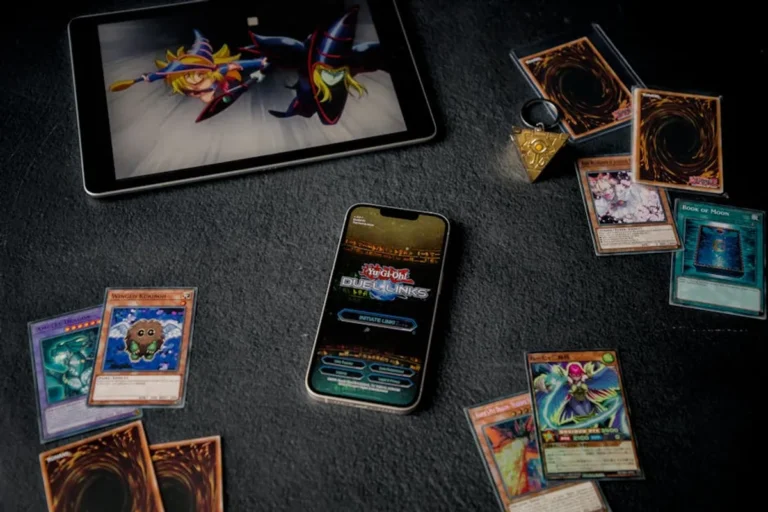
Anime gaming communities represent a highly engaged, passionate, and commercially significant segment of the broader gaming and entertainment landscape. These groups coalesce around video games that either draw directly from anime properties, employ anime-inspired aesthetics, or feature narrative structures common in Japanese animation. For marketers, publishers, and content creators, understanding and effectively engaging with these communities is not merely about reaching a niche audience; it's about tapping into a dedicated consumer base with high affinity for specific products, merchandise, and content.
The commercial value of these communities stems from their deep emotional investment and willingness to support creators and franchises they admire. Unlike general gaming audiences, anime gaming communities often exhibit stronger brand loyalty, a higher propensity for repeat purchases, and a significant influence on word-of-mouth marketing. Successfully navigating these spaces requires authenticity, a genuine appreciation for the culture, and a clear strategy for providing value rather than simply extracting it.
Defining Anime Gaming Communities
These communities are characterized by more than just a shared interest in a game. They often share a common language, aesthetic appreciation, and a deep understanding of anime tropes and narratives. This collective identity fosters an environment where members actively participate in discussions, create fan content, and advocate for their preferred titles. Their engagement extends beyond gameplay to include character lore, art style, voice acting, and the broader anime universe a game might inhabit or reference.
Key characteristics include:
- High Emotional Investment: Members often develop strong attachments to characters, stories, and the overall world, leading to sustained engagement.
- Niche Specialization: Communities frequently form around specific subgenres (e.g., JRPGs, visual novels, fighting games with anime rosters) or even individual titles.
- Content Creation & Sharing: A significant portion of community activity involves fan art, fan fiction, cosplay, gameplay videos, theory crafting, and discussions.
- Platform Diversity: While specific platforms dominate, these communities are often multi-channel, engaging across forums, social media, and streaming.
- Strong Advocacy: Passionate members become de facto evangelists, promoting games, discussing updates, and defending their preferred titles against criticism.
This level of engagement translates directly into commercial opportunities for those who can authentically connect with these groups.
Primary Community Hubs and Engagement Models
Anime gaming communities congregate across a variety of digital platforms, each offering distinct interaction models and opportunities for engagement. Understanding the nuances of each platform is crucial for effective outreach.
Discord Servers
Discord has become a central hub for real-time communication and community building. Servers dedicated to specific anime games or franchises host thousands of members, offering channels for general chat, game-specific discussions, LFG (looking for group) channels, fan art sharing, and event announcements. Brands can establish official or community-supported servers to foster direct interaction, gather feedback, and host exclusive events like Q&As with developers or community play sessions.
Best for: Direct, real-time engagement; community management; gathering immediate feedback; hosting interactive events.
Reddit Subreddits
Reddit hosts numerous active subreddits for popular anime games and broader genres (e.g., r/JRPG, r/animegames). These platforms are excellent for discussions, news sharing, fan theories, and user-generated content. Marketers can monitor these subreddits for sentiment, participate in discussions authentically, and share relevant, value-driven content (e.g., developer updates, behind-the-scenes insights) without overtly self-promoting.
Best for: Organic discussion; sentiment analysis; content distribution; community insights.
Dedicated Forums and Websites
While less prevalent than a decade ago, dedicated forums still exist for long-running franchises or highly niche titles. These often host in-depth discussions, guides, and archives of community knowledge. Similarly, fan wikis and news sites serve as critical resources for information and community gathering. Partnering with or contributing to these established resources can be a powerful way to reach highly informed users.
Best for: Niche outreach; deep-dive discussions; long-form content distribution; historical data.
Social Media Platforms
Platforms like Twitter, Instagram, and TikTok are vital for visual content, short-form updates, and reaching a broader audience. Anime gaming communities use these for sharing fan art, cosplay, short gameplay clips, and news. Influencer marketing with community-recognized personalities on these platforms can be highly effective, provided the collaborations are authentic and align with community values.
Best for: Visual content; trend participation; influencer collaborations; broad awareness.
Pro Tip: When engaging with anime gaming communities, prioritize genuine participation over overt sales pitches. These communities value authenticity; contributing helpful information, fostering discussion, or acknowledging fan efforts will yield better long-term results than simply dropping product links. Your goal should be to become a valued part of the community, not just a marketer within it.
Commercial Opportunities and Monetization
The deep engagement within anime gaming communities translates into several distinct commercial opportunities for brands and publishers.
Direct Sales and Affiliate Marketing
Members are often keen to purchase merchandise, art books, figures, and collector's editions related to their favorite games. Publishers can drive direct sales through well-timed announcements and exclusive offers. For affiliates, promoting relevant products—from gaming peripherals to anime streaming subscriptions—can be highly effective when targeted to specific community interests.
Content Sponsorships and Partnerships
Collaborating with prominent community members, content creators, or fan sites offers a direct channel to a receptive audience. This could involve sponsoring community events, funding fan projects, or partnering with streamers and YouTubers for sponsored content. The key is to ensure these partnerships feel organic and beneficial to the community.
User-Generated Content (UGC) Leverage
UGC, such as fan art, cosplay, and gameplay montages, is a powerful form of organic promotion. Brands can encourage and amplify UGC through contests, showcases, and direct engagement with creators. This not only generates free marketing but also strengthens community bonds and loyalty.
Feedback and Product Development
Engaged communities provide invaluable feedback for game development, merchandise design, and content strategy. By actively listening and integrating community suggestions, brands can create products that resonate more deeply, ensuring future commercial success.
Building Sustainable Engagement
Sustained success in anime gaming communities hinges on a long-term strategy centered on value and respect. Avoid a transactional approach; instead, focus on building relationships and contributing positively to the community ecosystem.
Steps for effective engagement:
- Understand the Niche: Deeply research the specific game, genre, or anime property the community revolves around. Understand its lore, characters, and community inside jokes.
- Be Authentic: Engage as a genuine enthusiast, not just a brand representative. Use appropriate language and tone.
- Provide Value: Share exclusive insights, host Q&As, offer unique content, or provide helpful resources.
- Listen Actively: Monitor discussions for feedback, sentiment, and emerging trends. Respond thoughtfully to questions and concerns.
- Support Community Initiatives: Amplify fan creations, participate in community events, or offer resources for fan projects.
- Transparency: Be clear about commercial intentions when applicable, but always balance it with community contribution.
By adopting these principles, brands and publishers can cultivate strong, loyal relationships that yield significant commercial returns over time.
Frequently Asked Questions
What is the best platform to start engaging with an anime gaming community?
Discord and Reddit are often the most effective starting points due to their high levels of real-time interaction and discussion. Discord allows for direct community building, while Reddit provides insights into broader sentiment and trending topics.
How can I avoid being perceived as spammy or inauthentic?
Focus on providing value. Share useful information, participate in discussions without overt promotion, and acknowledge community contributions. Avoid dropping links without context or engaging in hard selling. Authenticity comes from genuine participation and a demonstrated understanding of the community's interests.
Are these communities primarily interested in new game releases, or do they support older titles too?
While new releases generate significant hype, many anime gaming communities maintain strong support for older, beloved titles, especially those with ongoing lore, active modding scenes, or competitive play. Long-term franchises often have the most dedicated and enduring communities.