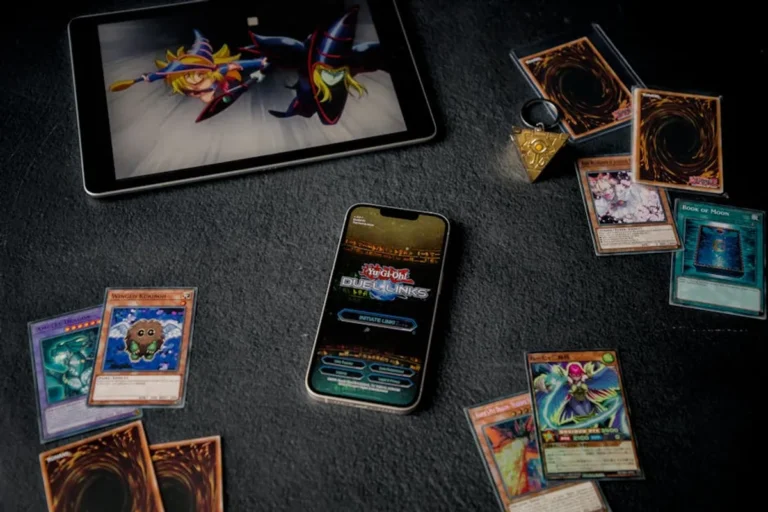

An anime game events calendar serves as a central repository for critical dates and information pertaining to the anime gaming sector. This includes new game releases, major content updates for existing titles, in-game seasonal events, esports tournaments, and industry conventions. For professionals operating within the gaming ecosystem—developers, publishers, marketers, content creators, and platform owners—access to a consolidated, accurate calendar is not merely a convenience; it is a strategic asset for market analysis, content planning, and audience engagement.
Understanding the Value of an Anime Game Events Calendar
The anime gaming market is characterized by rapid development cycles, frequent content drops, and a highly engaged, yet often fragmented, global audience. Without a structured approach to tracking key events, opportunities can be missed, and competitive advantages eroded. A dedicated events calendar provides the necessary framework to navigate this dynamic environment.
For Market Intelligence and Product Strategy
Developers and publishers utilize event calendars to identify optimal launch windows, avoiding direct competition with major releases or capitalizing on adjacent trends. By observing competitor event schedules, teams can refine their own product roadmaps, differentiate marketing efforts, and anticipate market shifts. For instance, knowing when a major competitor is rolling out a significant expansion allows for pre-emptive marketing or post-event analysis of player retention strategies.
For Content Creation and Community Engagement
Content creators—streamers, YouTubers, bloggers—rely on these calendars to schedule their production pipeline. Upcoming game launches, character releases, or limited-time in-game events provide timely, high-interest topics for videos, streams, and articles. This proactive approach ensures content remains relevant and discoverable, driving audience growth and engagement. Similarly, community managers can leverage event dates to plan discussions, contests, and social media campaigns, fostering a vibrant and active user base around specific titles.
For Advertising and Promotional Planning
Marketing teams align their advertising spend and promotional campaigns with key calendar dates. Pre-launch hype cycles, post-update player re-engagement efforts, and seasonal event promotions all benefit from precise timing. Understanding the full landscape of upcoming events helps allocate budgets effectively, ensuring maximum visibility when audience attention is highest. This also facilitates partnership opportunities with content creators or other brands around specific event milestones.
Core Components of an Effective Calendar
A functional anime game events calendar requires more than just a list of dates. Its utility stems from its structure, comprehensiveness, and accessibility. Key features include:
- Event Categorization: Distinguishing between new game releases, major updates, in-game seasonal events, esports tournaments, and industry conventions. This allows for targeted filtering.
- Platform Specificity: Indicating availability across PC, console (PlayStation, Xbox, Nintendo Switch), mobile (iOS, Android), and cloud gaming services.
- Regional and Global Dates: Providing release and event times adjusted for various time zones and regional markets, acknowledging staggered launches.
- Detailed Event Information: Including official links, relevant trailers, key art, and brief descriptions of what each event entails (e.g., new characters, story content, limited-time modes).
- Search and Filter Functionality: Enabling users to quickly find events by game title, genre, platform, date range, or event type.
- Notification and Alert Systems: Allowing users to subscribe to updates or set reminders for specific events, ensuring no critical date is missed.
- Data Source Transparency: Indicating where event information originates (e.g., official developer announcements, reputable news outlets) to build trust in accuracy.
Strategic Applications for Industry Professionals
Beyond basic tracking, an anime game events calendar supports advanced strategic applications:
Competitive Analysis: Identify patterns in competitor release schedules, content update cadences, and promotional tactics. This can reveal market gaps or saturated periods.
Trend Spotting: Observe recurring themes in seasonal events, popular game genres receiving updates, or the platforms favored by new releases. This informs future development and marketing investments.
Resource Allocation: For agencies and studios, understanding the volume of upcoming events helps in forecasting workload, staffing needs, and potential client acquisition opportunities.
Partnership Identification: Pinpoint upcoming games or events that align with a brand's target audience for potential cross-promotional activities or influencer collaborations.
Pro Tip: Data accuracy is paramount. Always cross-reference critical dates from an events calendar with official developer announcements or established industry news sources. Outdated or incorrect information can lead to misallocated resources, missed opportunities, and damaged credibility, particularly for time-sensitive marketing campaigns or content releases.
Building or Sourcing Your Calendar Solution
Organizations have two primary routes for managing an anime game events calendar: building an internal solution or leveraging existing external platforms.
Internal Development:
Best for: Companies requiring highly customized data fields, proprietary integration with internal systems (e.g., CRM, project management), or strict control over data sources and presentation.
Considerations: Requires significant upfront development cost, ongoing maintenance, and dedicated resources for data collection and verification. Offers maximum flexibility but demands internal expertise.
External Platforms:
Best for: Teams needing a ready-to-use solution with established data feeds, community contributions, and robust search/filter capabilities without the overhead of development.
Considerations: Data completeness and accuracy vary between platforms. Customization options may be limited, and reliance on a third-party for critical market intelligence requires careful vetting of their methodology and update frequency.
Ensuring Event Discoverability and Impact
For those publishing events or creating content around them, discoverability is key. An event, no matter how significant, only generates impact if its target audience can find it. This involves:
- Structured Data Implementation: Using schema.org markup (e.g., Event, VideoGame) to provide search engines with explicit information about event dates, locations, and associated game titles. This enhances visibility in search results and rich snippets.
- Keyword Optimization: Incorporating relevant long-tail keywords into event descriptions and titles (e.g., "Genshin Impact 4.5 release date," "Honkai Star Rail new character banner schedule").
- Cross-Platform Promotion: Sharing calendar updates and individual event highlights across social media, community forums, and relevant gaming news sites.
- Clear Calls to Action: For events hosted or promoted, include direct links for registration, pre-orders, or more information.
Actionable Steps for Calendar Integration
To effectively integrate an anime game events calendar into your operational workflow, consider these steps:
First, define your specific needs. Are you tracking new releases for market analysis, in-game events for content creation, or conventions for networking? This will dictate the level of detail and specific features required from your calendar solution.
Second, establish a regular review and update schedule. The anime gaming landscape changes rapidly; a calendar is only as valuable as its most current information. Assign responsibility for data verification and entry to ensure consistency.
Third, integrate the calendar data with your existing planning tools. Whether it's a project management system, a content editorial calendar, or a marketing automation platform, seamless data flow minimizes manual effort and reduces errors.
Finally, encourage team-wide adoption. The full benefits of an events calendar are realized when it becomes a shared resource that informs decisions across multiple departments, from product development to customer support.
Frequently Asked Questions
What types of events are typically included in an anime game events calendar?
These calendars primarily cover new game releases, major content updates (e.g., new characters, story expansions), in-game seasonal events, esports tournaments, and relevant industry conventions or announcements from anime game developers and publishers.
How often should an anime game events calendar be updated?
Given the fast pace of the gaming industry, a robust calendar requires frequent updates, ideally daily or weekly, to reflect newly announced dates, changes to existing schedules, or emerging trends. Timeliness ensures the data remains accurate and actionable.
Can these calendars help predict market trends in anime gaming?
Yes, by aggregating and analyzing event data over time, professionals can identify patterns in game releases by genre, platform popularity, the timing of major updates, and the effectiveness of certain promotional cycles, which can inform future market trend predictions.
What are the specific benefits for content creators using such a calendar?
Content creators gain a significant advantage by proactively scheduling their content around upcoming game launches, in-game events, or character releases. This allows them to create timely, relevant material that capitalizes on audience interest and search volume, driving views and engagement.